Thailand Eco Hotels & Sustainable Stays 2026 — Green Travel Done Right
Thailand Eco Hotels and Sustainable Stays 2026 — Green Travel Done Right
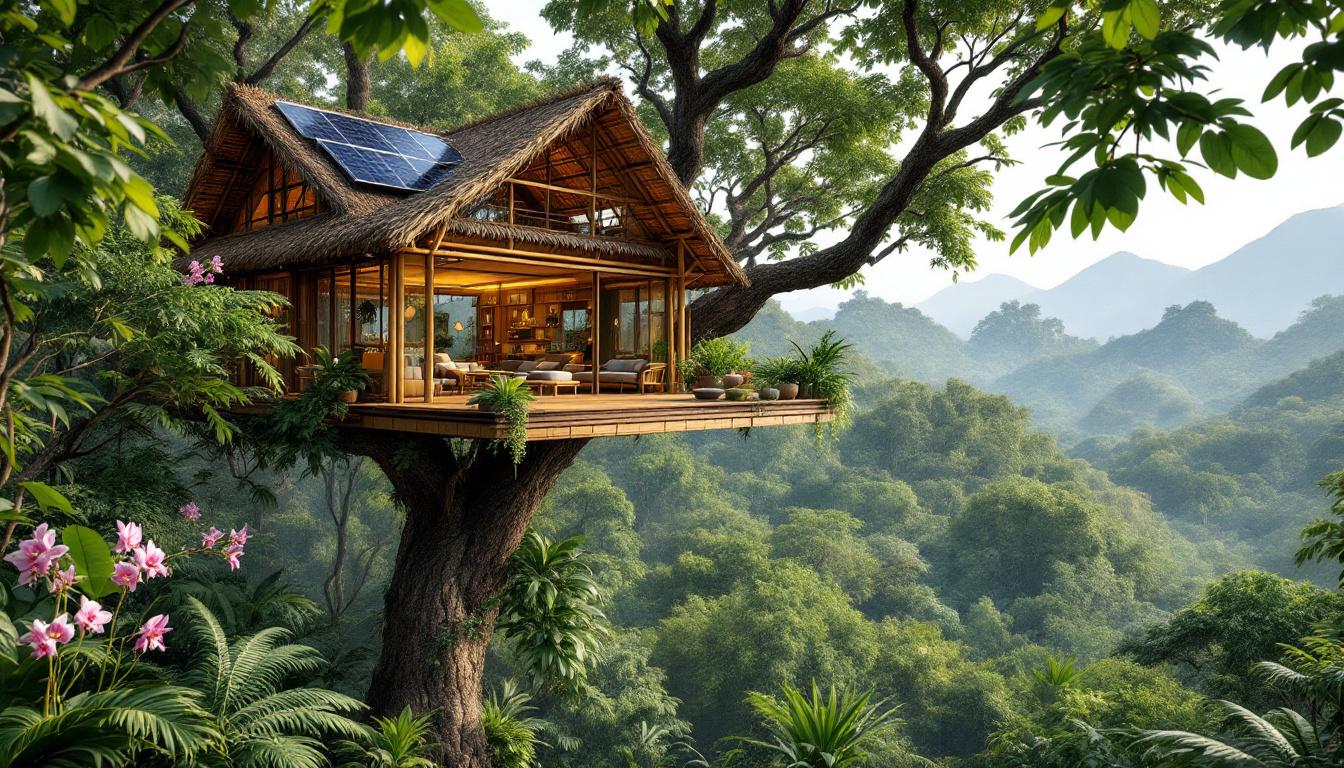
Eco tourism is a word that gets used loosely. Slap a few solar panels on a pool villa and call it sustainable — that's greenwashing. Genuine eco accommodation in Thailand looks different: it's typically smaller, often in a natural setting away from the main tourist strips, built with local materials, powered by renewables, and run with actual policies around waste, water, and community impact.
The good news: Thailand has genuinely excellent eco properties. The bad news: they're buried under a flood of greenwash on the OTAs. This guide pulls out the real ones by region.
What Makes a Hotel Genuinely Sustainable
Before paying a premium for "eco," check for these:
Hard indicators (meaningful): - Solar power or renewable energy on-site - Rainwater collection and greywater recycling - No single-use plastics in rooms or restaurants - Organic or locally-sourced food program - Staff recruited locally from nearby communities - Certified by Green Leaf Foundation (Thailand's main eco certification body) or similar
Soft indicators (nice but not definitive): - Bamboo or reclaimed wood construction - Organic toiletries - Recycling bins in rooms - "We donate to conservation" statements
The Green Leaf Foundation is Thailand's credible eco certification program. Hotels with this certification have been independently assessed. Look for it.
Northern Thailand
Chiang Mai Region
Anantara Golden Triangle Elephant Camp & Resort (Chiang Rai) One of Thailand's most famous responsible elephant tourism properties. The resort supports the Golden Triangle Asian Elephant Foundation — elephants living on the property are rescues, not working animals. Guests can observe and interact with the herd in natural conditions (no riding, no shows). Luxury rooms in the 8,000–18,000 THB range, but the conservation program is legitimate.
Rachamankha (Chiang Mai Old City) A boutique hotel built around principles of minimal intervention — designed by Thai architect Ong-ard Satrabhandhu to reflect Lanna and Burmese temple architecture using traditional materials. It's not off-grid, but the building ethos and cultural preservation mission are genuine. Around 5,000–8,000 THB/night.
Phu Chaisai Resort & Spa (Mae Rim, Chiang Mai) Hillside cottages in the mountains north of Chiang Mai. Local staff, organic garden feeding the restaurant, natural materials throughout. 4,000–8,000 THB. The views are genuinely stunning and the food program is a highlight.
Four Seasons Tented Camp Golden Triangle (Chiang Rai) Luxury glamping in a genuine wilderness setting. Tented camps with full luxury amenities, elephant conservation on site, guided nature experiences. 25,000–40,000 THB per night — premium, but the conservation credentials are real.
Pai
Pai's small guesthouse economy is inherently lower-impact than large resort development. The town has a strong culture of small-scale, locally-run accommodation.
Reverie Siam (Pai) — Boutique hotel with architectural heritage aesthetic. Built using salvaged wood and traditional craft techniques. Strong local sourcing, genuinely beautiful design. 3,000–6,000 THB.
Baan Krating Pai Resort — Smaller eco-conscious resort in the hills above Pai. Recycling program, local staff, natural pool. 2,000–4,000 THB.
Central Thailand
Khao Yai Region
The forests around Khao Yai National Park — one of Thailand's most important — have spawned some genuinely good eco lodge operations.
Kirimaya (Khao Yai) — Tented luxury villas on the edge of the national park. The property works with the park authority on conservation, employs local guides, and the tented design minimises building footprint. 8,000–15,000 THB. Excellent for wildlife watching — elephants, gibbons, hornbills are regularly seen.
Palio Khao Yai — Smaller, more modest property near the park entrance. Good local food program, honest eco approach. 2,500–4,500 THB.
Southern Thailand
Koh Lanta
Pimalai Resort & Spa — On Koh Lanta's quieter southeast coast. One of Thailand's more serious sustainability practitioners — Green Leaf Foundation certified, solar water heating, organic garden, significant local employment. 6,000–12,000 THB. The beach here (Kantiang Bay) is one of Thailand's most beautiful.
Koh Lanta Eco Resort — Smaller, more rustic. Genuine commitment to minimal impact: no air-con in some rooms (fans only), composting, local hiring, reef conservation involvement. 1,500–3,000 THB. Not luxury, but the ethics are real.
Khao Lak
Sarojin (Khao Lak) — High-end property with genuine eco commitments. Turtle conservation program, beach clean-up initiatives, no single-use plastic policy, local sourcing. 8,000–16,000 THB. The beach is exceptional and the turtle program is not a marketing gimmick — they work with the Phuket Marine Biological Center.
Elephant Hills (Khao Sok) — Luxury floating tented camp on Cheow Lan Lake inside Khao Sok National Park. Zero single-use plastics, no engine boats near the camp, all food sourced locally. One of Asia's best eco glamping experiences. Packages from 12,000–25,000 THB (typically all-inclusive).
Koh Samui and Gulf Islands
Belmond Napasai (Koh Samui) — Strong sustainability program including a marine conservation partnership, zero single-use plastics, organic herb garden, local staff employment priority. 8,000–18,000 THB.
The Tongsai Bay (Koh Samui) — One of the original eco-conscious properties in the Gulf. Family-owned, refused to overdevelop when the island boomed. Minimal clearing of natural vegetation, strong local hiring, honest approach. 5,000–12,000 THB.
How to Travel More Sustainably in Thailand (Beyond the Hotel)
Transport: Overnight trains from Bangkok to Chiang Mai or the South use far less carbon than flying. They're also cheaper, more comfortable than budget airlines, and you arrive fresh.
Diving: Choose dive operators that follow Project AWARE guidelines and don't allow anchoring on reef. Ask about their buoyancy training standards — dragging dive students over coral is the dive industry's most common sustainability failure.
Elephant experiences: The only ethical option in 2026 is observation sanctuaries where elephants roam freely and are not ridden, not trained for shows, and not chained overnight. Read more in our Thailand Elephant Sanctuary Hotels guide.
Food: Eating at markets and local restaurants — not just hotel dining — keeps more money in local hands and involves far less packaging waste than packaged resort food.
Plastic: Thailand has a serious single-use plastic problem. Carry a reusable water bottle. Buy the big refill bottles (15–20 THB for 1.5L at 7-Eleven) rather than individual plastic bottles.
Eco Certifications to Look For
Green Leaf Foundation: Thailand's main independent eco hotel certification. Four levels (bronze, silver, gold, platinum). A silver or gold Green Leaf is a reliable indicator. Check the foundation's directory at greenleafthailand.com.
Rainforest Alliance: Relevant for jungle/nature properties, especially in the north.
GSTC (Global Sustainable Tourism Council): International standard, less common in Thailand but credible when present.
Book on EezyStay
Many of Thailand's best eco properties don't appear prominently on Agoda or Booking.com — they prefer direct bookings or work with Thailand specialists. EezyStay has inventory across Thailand's eco lodges and sustainable resorts, often at rates lower than the big OTAs.
Related reading: - Thailand National Parks Best Lodges - Thailand Elephant Sanctuary Hotels - Best Hotels in Khao Lak - Best Hotels in Koh Lanta - Thailand Wellness Retreat Hotels
Related Reading
- Thailand Wellness Retreat Hotels 2026 — Spa, Yoga & Detox Stays
- Thailand National Parks 2026 — Best Lodges and Nature Stays
- Thailand Diving Hotels 2026 — Best Dive + Sleep Combos by Island
- Best Hotels in Koh Samui 2025: Beach-by-Beach Guide
- Best Hotels in Chiang Mai 2025: Old City to Nimman
Frequently Asked Questions
Are there genuinely eco-friendly hotels in Thailand?
Yes, though "eco" marketing varies enormously in authenticity. Genuine eco-hotels in Thailand focus on solar power, rainwater harvesting, plastic-free operations, local food sourcing, and supporting community employment. Khao Sok's jungle lodges, northern Thailand's sustainable hill tribe guesthouses, and several Koh Lanta and Koh Yao eco-resorts meet genuine sustainability standards. EezyStay's Thailand-specialist approach helps identify properties with real environmental credentials rather than greenwashing.
Which Thailand destinations have the best eco-hotels?
Khao Sok National Park area offers the most immersive sustainable accommodation — floating raft houses and jungle lodges with minimal environmental footprint. Koh Lanta's quieter northern beaches have several genuine eco-resorts. The Koh Yao islands (between Phuket and Krabi) have preserved a traditional fishing village atmosphere with responsible tourism infrastructure.
What should I look for in a sustainable hotel in Thailand?
Look for: plastic-free policies (rooms without single-use plastics), renewable energy use, local staff employment, organic food or locally sourced ingredients, partnerships with local conservation projects, and transparent environmental reporting. Beware of hotels that use "eco" in their name without any substantive practices — check reviews for evidence of real sustainable operations.
Is sustainable tourism in Thailand more expensive?
Not always. Many eco-lodges and sustainable properties in Thailand are competitively priced, particularly outside the major tourist zones. The more remote and authentic the operation, often the more affordable. Khao Sok jungle lodges, for example, can be booked for 800–2,000 THB per night for genuine nature experiences that are cheaper than equivalent-quality beach resorts.
Can I offset the environmental impact of flying to Thailand?
Several airlines offer carbon offset programmes at booking. For Thailand travel specifically, staying longer per visit (reducing flights per year), choosing overland transport within Thailand rather than domestic flights, and selecting accommodation that actively supports conservation all reduce your net environmental impact. EezyStay prioritises listings with clear environmental policies where available.