Thailand Elephant Sanctuary Hotels 2026 — Ethical Elephant Tourism & Where to Stay
Thailand Elephant Sanctuary Hotels 2026 — Ethical Elephant Tourism and Where to Stay
Riding an elephant in Thailand used to be something travellers put on their bucket list without thinking much about it. That's changed. The past decade of investigative reporting, conservation advocacy, and straightforward social media footage of how riding elephants are trained has made it impossible to argue that elephant riding is acceptable.
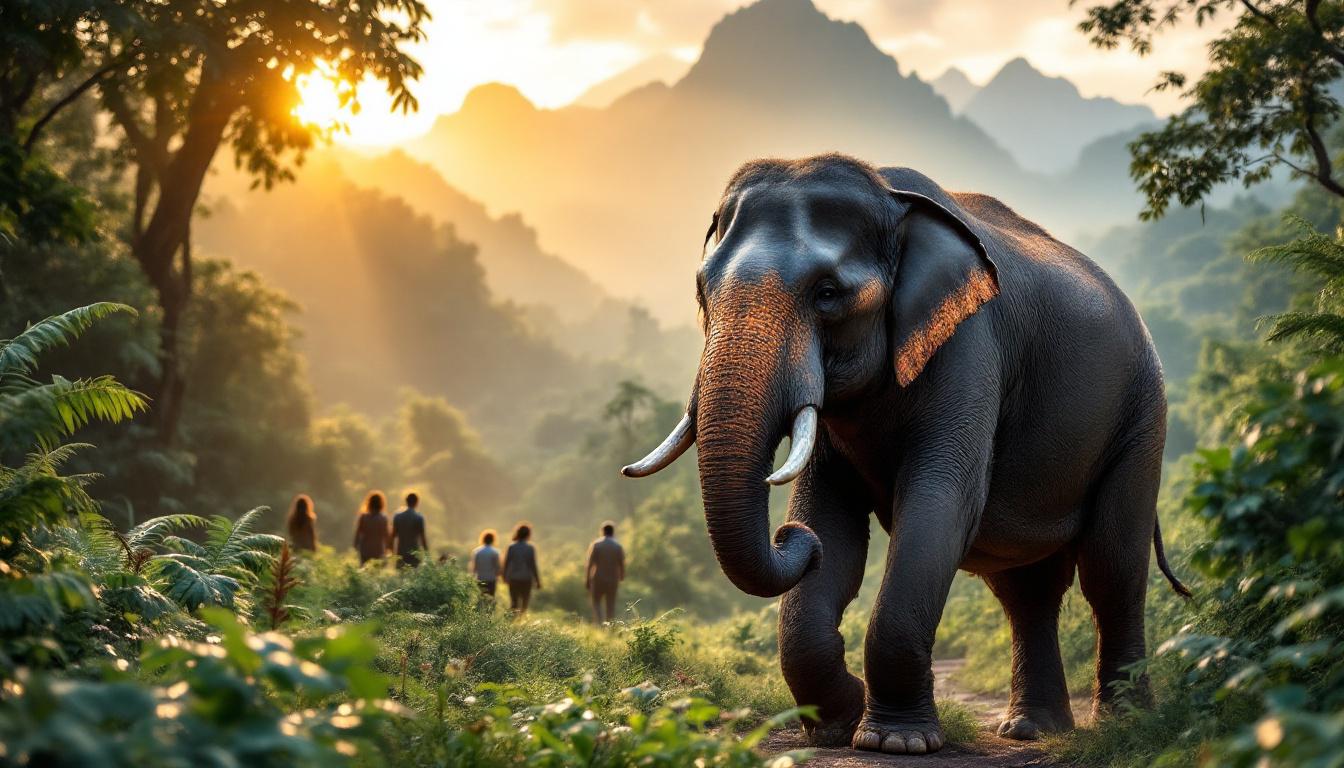
The tourism industry has responded — genuinely in some cases, performatively in others. Ethical elephant sanctuaries where rescued elephants live freely and visitors observe without riding or bathing (which requires unnatural submission) have grown significantly. Some are excellent. Some are elephant riding operations with a thin veneer of "sanctuary" language. This guide tells you which is which, and where to sleep nearby.
What Makes an Elephant Sanctuary Ethical
The non-negotiables: - No elephant riding. Ever. No exceptions, no "bareback" loopholes. - No elephant shows — no painting, no football, no tricks. - Elephants roam in large forested areas, not cement pens. - No hooks (ankus) or bull hooks used by mahouts. - Feeding is optional, not forced and performative. - Rescue-focused: the organisation actively acquires elephants from logging, tourism, and street-begging backgrounds.
Good signs: - Smaller visitor numbers (typically capped at 8–16 per session) - Longer visits where you observe elephant natural behaviour over time - Education program explaining the elephants' individual histories - Separation from other tourist operations
Red flags: - "Ethical riding" (there is no such thing) - Large visitor numbers with fast turnover - Multiple activities in a short time (rides, paintings, baths, shows) — each one requires trained submission - Photos of visitors sitting on elephants anywhere on the property
Northern Thailand — Chiang Mai Region
Chiang Mai is the centre of Thailand's ethical elephant tourism scene. More sanctuaries operate here than anywhere else in the country.
Top Sanctuaries
Elephant Nature Park (San Kamphaeng, ~60km from Chiang Mai) Founded by Lek Chailert, arguably Thailand's most internationally known elephant conservationist. Over 80 rescued elephants on a large property. Day visits include feeding, observing, and walking with elephants. No riding, no shows, strong education program. Day visits 2,500–2,800 THB. Overnight stays in on-site accommodation available.
Where to stay: The park offers its own guesthouses (1,500–3,000 THB) — staying on-site means an early morning with the herd before day visitors arrive.
Elephant Jungle Sanctuary (multiple locations near Chiang Mai) One of the original "no riding" ethical sanctuaries, opened partly as a response to riding operations. Half-day and full-day programs. Well-organised, multiple mahout families involved. Day visit 1,800–2,500 THB.
Best nearby hotel: Akyra Manor Chiang Mai — boutique hotel in Nimman area, good design, 5,000–9,000 THB. Or for budget: Green Sleep Guesthouse from 600 THB. Any Old City accommodation is within 45 minutes of Chiang Mai's elephant sanctuaries.
Patara Elephant Farm (Mae Wang, ~70km from Chiang Mai) Different model — smaller groups (max 8), full-day "elephant owner for a day" experience. You're paired with a specific elephant, assist with care, walk with them in the forested area. No riding. 6,500 THB per person. More expensive but one of the most intimate legitimate elephant experiences in Thailand.
Best base: Given the distance from town, Riverside Boutique Resort (Chiang Mai) or staying on the Mae Wang side reduces morning travel.
Ran-Tong Elephant Save & Rescue Centre Smaller, family-run. Good reputation for genuine care. Closer to Chiang Mai town centre than some options. Half-day 1,500–2,000 THB.
Chiang Rai and Golden Triangle
Anantara Golden Triangle Elephant Camp & Resort This resort has its own elephant herd — rescued animals living on the property year-round. The Golden Triangle Asian Elephant Foundation manages welfare. Guests can observe, assist with feeding, and learn about individual elephants' histories. Room rates 12,000–20,000 THB include access to the elephant experience.
This is one of Thailand's best integrated elephant-and-accommodation experiences. You wake up, the herd is 200 metres from your villa. No day trip needed.
Yok Don Elephant Experience (Chiang Rai area) Smaller operation, forest walks with elephants, no riding. More off-the-radar than the Chiang Mai operations. Good for travellers combining a Chiang Rai trip with elephant time.
Best base for Chiang Rai sanctuaries: Best Hotels in Chiang Rai — the town has good mid-range options from 800–3,000 THB.
Central Thailand
Wildlife Friends Foundation Thailand (Phetchaburi, ~2.5 hours from Bangkok) Not exclusively elephants — this is a full wildlife sanctuary (bears, gibbons, macaques, slow lorises, as well as elephants). Day visits available. Good option for Bangkok-based travellers who want ethical elephant experience without flying north.
Day visit programs: 500–800 THB. Volunteer programs available for longer stays.
Best nearby accommodation: Stay in Hua Hin (40km south) for good hotel options, then drive or arrange transport. Best Hotels in Hua Hin for options from 800 THB upward.
Kanchanaburi
Elephant's World (Kanchanaburi) One of the better Central Thailand elephant operations. Elephants are allowed to set their own pace — if they want to walk, you walk with them; if they want to eat for three hours, you watch them eat. Philosophy of letting elephants be elephants. Day visit 2,200–2,500 THB.
Where to stay: Kanchanaburi has good budget accommodation — raft houses on the River Kwai from 600 THB, guesthouses from 400 THB. See our Cheap Hotels in Kanchanaburi guide for full options.
Southern Thailand
Ethical elephant operations in the south are fewer than in the north. The terrain and history of elephant use is different — there was never a logging industry here as in the north.
Samui Elephant Sanctuary (Koh Samui) One of the better southern options. Forest walks, no riding, small groups. Day visit 2,500–3,000 THB from hotels in Koh Samui.
Koh Chang Elephant Village (Koh Chang) Has improved its ethics in recent years but still warrants checking before booking — verify current no-riding policy and conditions. If confirmed ethical on your visit date, forest walks with retired working elephants.
How to Verify Before You Book
Check TripAdvisor reviews specifically for riding mentions. If reviews from two years ago mention riding and more recent ones don't, something changed — ask the sanctuary directly.
Google "sanctuary name" + "elephant riding" — if there are any results defending riding or showing it, avoid.
World Animal Protection's guide ranks operators — check before booking.
Ask the sanctuary directly: "Do any of your elephants carry tourists, even bareback?" A legitimate sanctuary will say no without hesitation.
Booking Your Elephant Sanctuary Visit + Hotel Together
Most ethical elephant sanctuaries can be booked online directly. For hotels near sanctuaries, EezyStay has better Thailand inventory than the big OTAs — you'll typically find lower rates and more options for smaller properties near Chiang Mai's elephant areas.
Related reading: - Thailand Eco Hotels and Sustainable Stays - Best Hotels in Chiang Mai - Cheap Hotels in Kanchanaburi - Best Hotels in Chiang Rai - Thailand National Parks Best Lodges
Related Reading
- Thailand Wellness Retreat Hotels 2026 — Spa, Yoga & Detox Stays
- Thailand Weekend Getaway Hotels from Bangkok 2026 — Best Escapes 2–3 Hours Away
- Thailand Visa Guide for Tourists 2026 — Types, Stays, Extensions
- Thailand Train Travel & Hotels 2026 — Rail Journey Stays Guide
- Thailand Street Food Guide by Region — What to Eat Near Your Hotel
Frequently Asked Questions
Which elephant sanctuaries in Thailand are ethical?
Ethical sanctuaries prohibit riding and performances, focus on natural elephant behaviour, and support mahout livelihoods while rehabilitating previously working elephants. Well-regarded ethical sanctuaries include Elephant Nature Park (Chiang Mai), Boon Lott's Elephant Sanctuary (Sukhothai area), and the Thai Elephant Conservation Centre (Lampang — government-operated). Always research a sanctuary's practices before booking.
What should I look for in an ethical elephant sanctuary?
The key indicators of ethical practice: no elephant riding, no performance shows, elephants interact at their own pace rather than being chained or tied, natural diet rather than crowd-pleasing tricks for food, mahout welfare support, and clear conservation mission. Sanctuaries that offer "full contact bathing" while prohibiting riding can still be problematic — the best operations are purely observation-based.
How much does an elephant sanctuary experience cost in Thailand?
Ethical sanctuary day programmes in Chiang Mai typically cost 1,500–3,500 THB per person for a half-day, or 2,500–5,000 THB for a full day including transport, meals, and activities. More remote sanctuaries like Boon Lott's offer multi-day stays from 4,000–8,000 THB per person per night including accommodation and meals, with proceeds directly supporting elephant welfare.
Where should I stay to be close to elephant sanctuaries?
For Chiang Mai sanctuaries, the Old City and Nimman Road areas are convenient — most sanctuaries provide hotel pickup. For the Thai Elephant Conservation Centre in Lampang (30km north of the city), staying in Lampang itself is more practical. EezyStay lists hotels in both Chiang Mai and Lampang at below-OTA rates, making it easy to find accommodation close to your chosen sanctuary.
Can I volunteer at an elephant sanctuary in Thailand?
Yes. Some sanctuaries offer volunteer programmes where you contribute to daily care activities over multiple days or weeks. Elephant Nature Park and a few others accept volunteers who pay a daily contribution that covers accommodation and meals. This is a more immersive alternative to day visits and directly supports the sanctuary's conservation work.