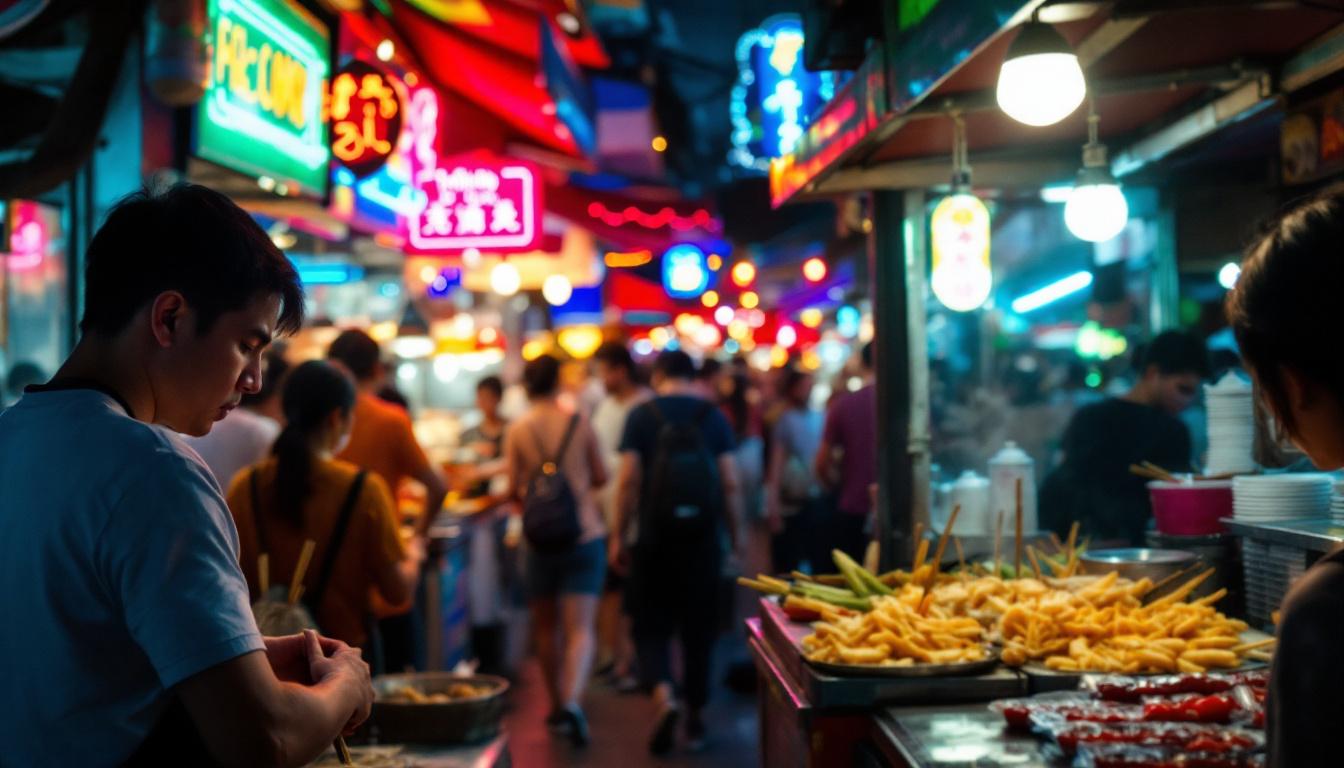
Thailand Street Food Guide by Region — What to Eat Near Your Hotel
Thailand Street Food Guide by Region — What to Eat Near Your Hotel
Thailand has one of the world's great street food cultures. The food you eat from a cart for 60 THB is often better than what you'd pay 600 THB for in a tourist restaurant. Understanding the regional differences — and knowing what to look for at a local market versus a tourist strip — is what separates a good Thailand food experience from an extraordinary one.
This guide breaks it down by region, with the dishes to know and the practical detail for finding them near wherever you're staying.
Bangkok Street Food
Bangkok is the country's food capital by volume. Every cuisine from every region of Thailand is available here, alongside Chinese, Muslim-Thai, and international food. The street food scene is best outside the tourist zones.
What to eat:
Pad Thai (ผัดไทย) — Everyone knows this one. Stir-fried rice noodles with egg, tofu, beansprouts, and your choice of protein. The best versions use a wok with real heat — look for smoke coming off the cart. Good pad Thai: 60–80 THB. Tourist restaurant pad Thai: 150–200 THB (and usually worse).
Boat Noodles (ก๋วยเตี๋ยวเรือ) — Small bowls of rich pork or beef noodle soup, traditionally served from boats on the canals. Now found at land-based restaurants and markets. The bowls are small — order multiple. Around 30–50 THB per bowl. Excellent versions on Victory Monument Road and in the Wang Lang market area.
Mango Sticky Rice (ข้าวเหนียวมะม่วง) — The perfect sweet snack. Glutinous sticky rice with fresh mango slices and coconut milk. Only worth eating in season (mango season peaks around April–May). Off-season mangoes make this dish mediocre. Around 60–100 THB.
Satay (สะเต๊ะ) — Skewered, grilled meat (usually pork or chicken) served with peanut sauce. The night market and Silom area have excellent versions. 15–20 THB per skewer.
Tom Kha Gai (ต้มข่าไก่) — Coconut milk soup with galangal, lemongrass, and chicken. Rich, aromatic, and genuinely representative of Bangkok restaurant cooking. 80–120 THB at a good local restaurant.
Where to eat in Bangkok: - Or Tor Kor Market (near Mo Chit, MRT) — premium fresh market, excellent prepared food - Talad Neon Walking Street (Ratchadaphisek) — excellent night market - Chinatown (Yaowarat Road) — seafood, roast duck, dim sum - Khlong Toei Market — the city's largest fresh market, no tourist pricing
Northern Thailand (Chiang Mai, Chiang Rai, Pai)
Northern Thai food is distinct from central Thai food. It's less spicy, more herb-forward, and shows influences from Burma, Yunnan China, and the hill tribes.
What to eat:
Khao Soi (ข้าวซอย) — The king of northern Thai food. Egg noodles in a rich, slightly spiced coconut curry broth, topped with crispy fried noodles, pickled mustard greens, and your choice of chicken, beef, or pork. Every city in the north has its favourite Khao Soi restaurant. Chiang Mai has dozens worth visiting. Around 60–90 THB. Do not miss this.
Sai Oua (ไส้อั่ว) — Northern Thai sausage made with pork, herbs, and galangal. Grilled and sold from market carts. 15–25 THB per sausage. Excellent as a morning market snack.
Larb Moo (ลาบหมู) — Minced pork salad with toasted rice powder, herbs, and fish sauce. The northern version uses different herbs and spices than the Isaan version. Spicy and addictive. Around 70–100 THB.
Gaeng Hang Le (แกงฮังเล) — Burmese-influenced northern Thai pork curry with ginger and turmeric. Slow-cooked, rich, mild. Rarely found in Bangkok. A must-eat in Chiang Mai. Around 80–120 THB.
Khao Niao (ข้าวเหนียว) — Sticky rice is the staple of the north, not jasmine rice. Eat it with everything. Moulded in your hand and used to scoop up curries and salads.
Where to eat in Chiang Mai: - Saturday Night Market (Wua Lai Road) - Sunday Walking Street (Tha Phae Gate area) - Ton Phayom Market (near Chiang Mai University) — cheap local food - Somphet Market (near the moat, excellent Khao Soi breakfast spots)
Isaan (Northeast Thailand — Udon Thani, Khon Kaen, Nong Khai)
Isaan food is arguably Thailand's most underrated cuisine. It's also responsible for several of Thailand's most popular dishes being adopted nationally. Bold, punchy, fermented flavours. Very spicy. Very good.
What to eat:
Som Tam (ส้มตำ) — Green papaya salad. The genuine Isaan version uses fermented fish sauce (pla ra) and sometimes fermented land crabs, giving it a pungency that's not for everyone but is extraordinary if you embrace it. Around 40–60 THB. Found at som tam carts everywhere in the northeast.
Kai Yang (ไก่ย่าง) — Grilled chicken marinated in galangal, lemongrass, and fish sauce. Eaten with sticky rice and sweet chilli sauce. This is what Isaan people eat. Around 60–100 THB for a half chicken.
Larb Isaan — More intense than the northern version. Often made with raw minced pork (larb dip), which sounds alarming but is genuinely delicious when the pork is fresh. Also made with chicken, beef, or duck. 80–100 THB.
Moo Ping (หมูปิ้ง) — Grilled pork skewers on bamboo sticks. Sold from street carts everywhere in Thailand but particularly dominant in Isaan. 10–15 THB per skewer. A perfect 7am breakfast with sticky rice.
Where to eat in Udon Thani: - UD Night Market (Prachak Road) - Tung Sri Muang market area
Southern Thailand (Phuket, Krabi, Koh Samui)
Southern Thai food is the spiciest in the country. Heavy use of turmeric, dried spices, and seafood. Strong Muslim influence in the deep south (halal food everywhere in the border provinces).
What to eat:
Massaman Curry (แกงมัสมั่น) — The southern Thai curry with the strongest international profile. Rich, sweet-spiced, with potatoes and peanuts. Actually of Muslim-Thai origin. One of the world's great curry dishes. Around 100–150 THB.
Gaeng Som (แกงส้ม) — Sour orange curry. Very spicy, very sour, with vegetables and seafood or fish. A shock to the system if you're not expecting it. Around 80–120 THB.
Roti — The thin, griddled flatbread found across southern Thailand and Malaysia. Plain roti, roti with egg, roti with banana and condensed milk. Breakfast street food at its finest. 20–40 THB.
Hoi Thod (หอยทอด) — Crispy oyster omelette. Mussels or oysters fried with egg in a slightly gooey, crispy batter. 80–120 THB. One of Phuket's great street food dishes — find it at the Phuket weekend market.
Khao Yam (ข้าวยำ) — Southern Thai rice salad with toasted coconut, pomelo, dried shrimp, and herbs. Distinctly regional. Around 60–80 THB.
Where to eat in Phuket: - Phuket Town Weekend Market (Malin Plaza area) - Rawi Road evening food stalls - The Old Town coffee shops and kopitiam restaurants
Where to eat in Koh Samui: - Fisherman's Village Night Market (Bophut) - Lamai Night Market - The local wet market in Na Thon (off the tourist circuit, very cheap)
Practical Tips
Follow the locals. If a cart has a queue of Thai people, it's good. If it has only tourists, be more cautious.
Breakfast is important. Don't miss the morning markets. Thai breakfast (jok/congee, dim sum, noodle soup, moo ping, fresh fruit) is excellent and ridiculously cheap. Most tourists skip it. Don't.
Price guide: - Cart/market food: 40–80 THB per dish - Local restaurant: 80–150 THB per dish - Tourist restaurant: 150–300 THB per dish - Hotel restaurant: 200–500 THB per dish (avoid unless the hotel is specifically known for food)
Spice warning: "Mai pet" (ไม่เผ็ด) means "not spicy" in Thai. Use it freely. Many dishes are brutally spicy by default and can be requested mild.
Stay near the food. EezyStay's Thailand hotel inventory helps you find accommodation in the right part of each city — close to markets, walking streets, and local food zones rather than the overpriced tourist strips.
Related Reading
- Thailand Wellness Retreat Hotels 2026 — Spa, Yoga & Detox Stays
- Thailand Weekend Getaway Hotels from Bangkok 2026 — Best Escapes 2–3 Hours Away
- Thailand Visa Guide for Tourists 2026 — Types, Stays, Extensions
- Thailand Train Travel & Hotels 2026 — Rail Journey Stays Guide
- Thailand Solo Female Travel Hotels 2026 — Safety, Social & Location Tips
Frequently Asked Questions
What is the best street food in Bangkok?
Bangkok's street food highlights include Pad Thai (pan-fried rice noodles), Tom Yum soup, Khao Man Gai (poached chicken rice), and Kuai Tiao (noodle soup). Yaowarat Road (Chinatown) is the best single street for street food variety and quality — particularly in the evening when vendors set up from 6pm onwards. Jay Fai on Maha Chai Road is the most famous street food restaurant in the city, with a Michelin star and queues to match.
Is street food in Thailand safe to eat?
Thailand's street food is generally safe when basic guidelines are followed: choose stalls that are busy (high turnover = fresh food), eat freshly cooked food rather than pre-prepared items sitting out, avoid raw vegetables if your stomach is sensitive to changes, and drink bottled or filtered water. Street food-related illness is less common than many visitors expect — Bangkok's street food scene has been feeding millions of people daily for generations.
What is Chiang Mai's signature street food?
Khao Soi is the signature dish of Chiang Mai — a coconut curry broth with both crispy and soft egg noodles, typically served with chicken or beef. Other Chiang Mai specialties include Sai Ua (Northern Thai sausage), Naem (fermented pork), and Larb Moo (spicy minced pork salad). The Saturday Walking Street on Wualai Road and Sunday Walking Street near Tha Phae Gate are the best street food markets in the city.
Where is the best street food in Phuket?
Phuket Town's Sunday Walking Street (Thalang Road) is the best street food experience on the island — genuine local vendors, traditional Pekanese and Baba Nyonya dishes rarely found elsewhere. Chao Fa Road Night Market runs nightly with cheaper, more casual options. Patong Beach area has street food stalls but they're priced for tourists rather than locals.
How much does street food cost in Thailand?
Street food in Thailand is very affordable: Pad Thai from a basic stall runs 60–80 THB, a bowl of noodle soup is 50–60 THB, a freshly grilled skewer is 10–20 THB, and iced coffee from a market vendor is 20–35 THB. Tourist areas charge 20–50% more than local markets. Eating at hotel restaurants costs 3–5 times the equivalent street food quality. Hotels near good street food markets are listed on EezyStay with below-OTA rates.