Chinese New Year Thailand Hotels 2026 — Busy Period, Book Ahead
Chinese New Year Thailand Hotels 2026 — Busy Period, Book Ahead
Chinese New Year (Lunar New Year) is one of the most significant demand events in Thai tourism that most Western travellers don't plan for. If you're booking Thailand hotels for late January or early February 2026 and you haven't accounted for the Chinese New Year travel surge, you may find availability much tighter and rates much higher than expected.
Chinese New Year 2026 falls on January 29. The main travel period for Chinese New Year is approximately January 25 – February 4.
Why Chinese New Year Matters for Thailand Hotels
Thailand is one of the most popular international destinations for Chinese tourists. Millions of mainland Chinese travellers visit Thailand every year, with a significant proportion doing so during the Chinese New Year holiday week (one of the few times Chinese workers get an extended break).
The destinations most affected: - Bangkok — Always popular with Chinese tourists. Chinese New Year celebrations in Chinatown (Yaowarat) are the best in Southeast Asia outside of China. - Phuket — A consistently dominant Chinese tourist destination. - Chiang Mai — Popular, particularly with Chinese tour groups. - Pattaya — Large Chinese tourist market year-round, spikes further at CNY.
The impact on accommodation: hotels in these destinations see a meaningful occupancy spike during CNY. Availability tightens and prices rise in the 2–3 weeks around the holiday.
Bangkok: The Best Chinese New Year Experience in Thailand
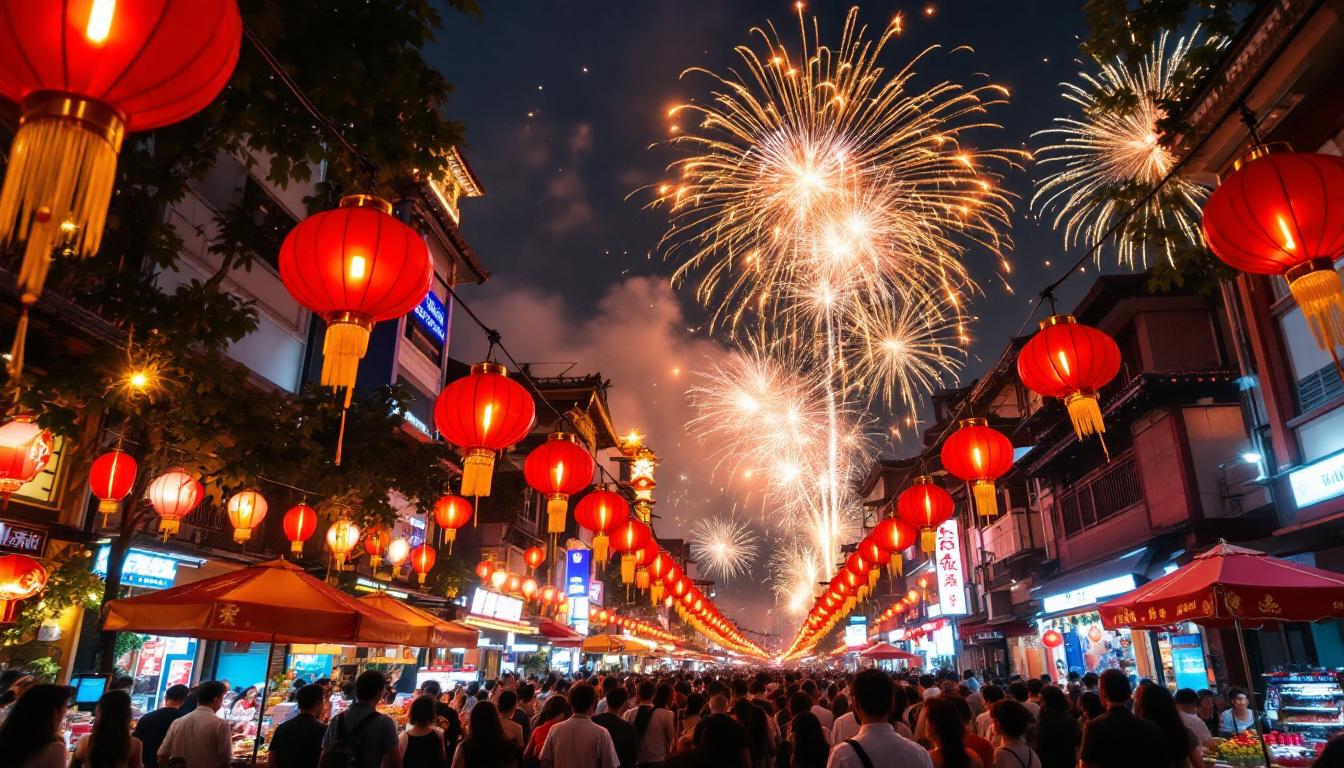
Bangkok's Chinatown on Yaowarat Road is one of the best places in the world to experience Chinese New Year outside of China. The celebrations are genuine, elaborate, and spectacular.
What happens: - Dragon and lion dances on Yaowarat Road and in temple compounds - Street food explosion (the already-excellent Yaowarat food scene goes into overdrive) - Temple ceremonies at Wat Mangkon Kamalawat and surrounding temples - Fireworks and lanterns in the neighbourhood - Traditional performances running through the evening
The celebrations run across several days — the main event on Chinese New Year's Eve and the days immediately following.
Where to stay in Bangkok for Chinese New Year: - Chinatown area (Yaowarat/Samphanthawong): The immediate neighbourhood. Walking distance to all celebrations. Boutique and heritage hotels in the area book out fast. Check EezyStay for availability — these smaller properties are often better represented on EezyStay than on the big OTAs. - Silom/Bangrak: 15-minute walk or short taxi to Chinatown. Good range of hotels, slightly more availability. - Riverside: Several riverside hotels near Chinatown. The ferry along the Chao Phraya connects you to the celebrations in minutes.
Phuket: Chinese New Year Beach Holiday
Chinese tourists dominate parts of Phuket's beach market. Patong, Karon, and Kata Noi see significant CNY crowds. This drives up hotel rates and reduces availability in these areas.
Strategy: Book away from the most concentrated Chinese tourist zones. Surin Beach, Kamala, or even staying in Phuket Old Town and day-tripping to beaches reduces the CNY premium while keeping you close to everything.
Alternatively: Use the Chinese New Year period to visit less Chinese-tourist-intensive destinations. Khao Lak (just north of Phuket) sees much less CNY demand and offers better availability and rates.
Chiang Mai: The Alternative CNY Destination
Chiang Mai has a smaller Chinese tourist concentration than Bangkok and Phuket, but the cool season weather during CNY (late January/early February is peak cool season in the north) makes it genuinely popular with Chinese travellers seeking a temperature change.
The good news: Chiang Mai has enough hotel inventory that CNY doesn't cause the same sharp price spikes as Bangkok Chinatown or Patong. It's a busy period, but not impossible.
Areas less affected by CNY demand: The old city boutique hotels and guesthouses attract fewer Chinese tour groups (who tend to prefer larger, newer hotels with Chinese-language staff). Smaller boutique properties may have better availability and pricing during CNY.
Where to Escape Chinese New Year Crowds
If you're in Thailand during Chinese New Year and want to avoid the CNY tourist surge:
Koh Tao — A small island destination that never attracted significant Chinese tour groups. Normal rates, normal availability.
Koh Chang — Farther from the main tourist circuits for Chinese visitors. Good availability.
Pai — The mountain valley town has a hippie/backpacker base that's quite different from Chinese package tour destinations. Lower CNY impact.
Isaan Region — Northeast Thailand is rarely on Chinese New Year itineraries. Udon Thani, Nong Khai, and Khon Kaen have completely normal rates and availability.
Sukhothai and Ayutthaya — Historical sites do see some Chinese tour groups year-round, but the CNY spike is modest compared to beach destinations.
When to Book
For Bangkok Chinatown area hotels during CNY: 2–3 months ahead minimum. The best small boutique hotels in the Yaowarat neighbourhood book out completely.
For Phuket and Chiang Mai: 1–2 months ahead to secure good options at reasonable rates.
For less-affected destinations: Normal advance booking (2–4 weeks) is usually sufficient.
EezyStay and Chinese New Year
CNY demand drives OTA competition for bookings, which can push prices up further as platforms compete for premium placements. EezyStay's lower-commission model means the rate you see is closer to the hotel's actual rack rate — not an OTA-inflated price during a high-demand period.
For boutique properties in Bangkok's Chinatown neighbourhood specifically — which are often under-represented on Agoda and Booking.com — EezyStay's coverage is better and rates are more competitive.
Chinese New Year 2026 is January 29. Mark the date, plan your accommodation, and book early. Thailand's Lunar New Year celebrations are genuinely worth experiencing — just do it with accommodation already confirmed.
Related Reading
- Thailand Weekend Getaway Hotels from Bangkok 2026 — Best Escapes 2–3 Hours Away
- Thailand Rainy Season Hotel Deals 2026 — Monsoon Bargains Worth Knowing
- Thailand in Monsoon Season: Hotels, Deals & What to Expect
- Thailand Low Season Travel Guide — May to October Hidden Value
- Thailand Cool Season 2026 — Best Destinations for November to February
Frequently Asked Questions
When is Chinese New Year in 2026 and how does it affect Thailand hotels?
Chinese New Year falls on February 17, 2026. The surrounding week (approximately February 14–22) sees significant influxes of Chinese tourists into Thailand, particularly to Bangkok, Phuket, Pattaya, and Chiang Mai. Hotel rates in these destinations rise sharply and availability at popular properties drops. Book at least 2–3 months ahead.
Which Thailand destinations are most affected by Chinese New Year?
Bangkok, Phuket, and Pattaya see the highest Chinese tourist volumes during Chinese New Year. Chiang Mai is also significantly busier. Quieter alternatives include Hua Hin, Koh Chang, and northern destinations like Lampang and Nan, which see less impact from the holiday surge and maintain more normal pricing.
Is it worth visiting Thailand during Chinese New Year?
Thailand celebrates Chinese New Year enthusiastically — particularly in Bangkok's Chinatown (Yaowarat Road), which hosts dramatic lion dances, fireworks, and street food celebrations. The atmosphere in Chinatown is extraordinary. The trade-off is higher hotel prices and busier tourist sites. If you can be flexible on accommodation budget, it's a memorable time to visit.
How early should I book Thailand hotels for Chinese New Year?
Book 2–3 months ahead for peak destinations during Chinese New Year. For central Bangkok, Pattaya beachfront, and Phuket's Patong area, even earlier booking is advisable. EezyStay's lower commission rates help soften the seasonal price increases — booking early on EezyStay locks in rates before the peak surge fully hits.
Does Chinese New Year affect restaurant availability in Bangkok?
Yes. Many Chinese-owned restaurants in Bangkok and major tourist areas close for the holiday period (typically 3–5 days). Plan accordingly by identifying alternatives in advance. However, street food and Thai-run restaurants stay open, and the overall food scene remains excellent. The Chinatown night market is particularly lively during the celebrations.