Sukhothai vs Ayutthaya 2026 — Which Ancient Capital Should You Visit?
Sukhothai vs Ayutthaya 2026 — Which Ancient Capital Should You Visit?
Thailand's two great ancient capitals. Both UNESCO World Heritage Sites. Both worth visiting. But most travellers with a limited itinerary have to choose one. This is the honest comparison.
The Short Version
Visit Ayutthaya if: You're based in Bangkok, want easy day-trip access, and want to see the most dramatic quantity of ruins in the most concentrated area.
Visit Sukhothai if: You want a quieter, more atmospheric experience and you're already heading north toward Chiang Mai or Phitsanulok.
History and Context
Ayutthaya was the second Thai capital, established in 1350. It was one of the most powerful kingdoms in Southeast Asia and served as the capital for over 400 years until its destruction by the Burmese in 1767. The ruins you see today are what survived that sacking — and they're extensive. The city was rich and powerful, and its temple-building programme over 400 years left an enormous archaeological legacy.
Sukhothai was the first Thai capital, established around 1238. It's smaller in historical scope — the kingdom lasted about 150 years before being absorbed by Ayutthaya. But the artistic style that emerged here (the Sukhothai Buddha style, the elegant lotus-bud chedis) is considered the peak of early Thai art and architecture.
Scale and Scope
Ayutthaya Historical Park is vast. Dozens of significant temple complexes spread across and around the walled island. You could spend 2–3 days and still not see everything. The density of ruins is extraordinary — some of the most dramatic temple remains you'll encounter anywhere in Asia.
Sukhothai Historical Park is large but more contained. The central zone (about 70 hectares within the old city walls) is manageable in a single long day by bicycle. The outer zones add more, but the highlights are more concentrated.
Winner for scale: Ayutthaya. More to see, more dramatic ruins.
Crowds
Ayutthaya: Very popular with day-trippers from Bangkok, tour buses, and Thai domestic visitors. The main sites (Wat Mahathat, Wat Phra Sri Sanphet) get crowded by mid-morning, especially on weekends and holidays. Still manageable if you arrive early.
Sukhothai: Significantly quieter. It's farther from Bangkok and less on the standard tourist circuit. You'll often have major temples almost to yourself, especially early morning. This makes for a more contemplative experience.
Winner for atmosphere: Sukhothai. The quiet makes the place feel more genuinely ancient.
Architecture and Art
Ayutthaya: Khmer-influenced prang towers dominate, along with enormous chedis. The scale is impressive. The Buddha statues, many now headless (stolen or destroyed by the Burmese), create a haunting atmosphere. The overall aesthetic is grand and powerful.
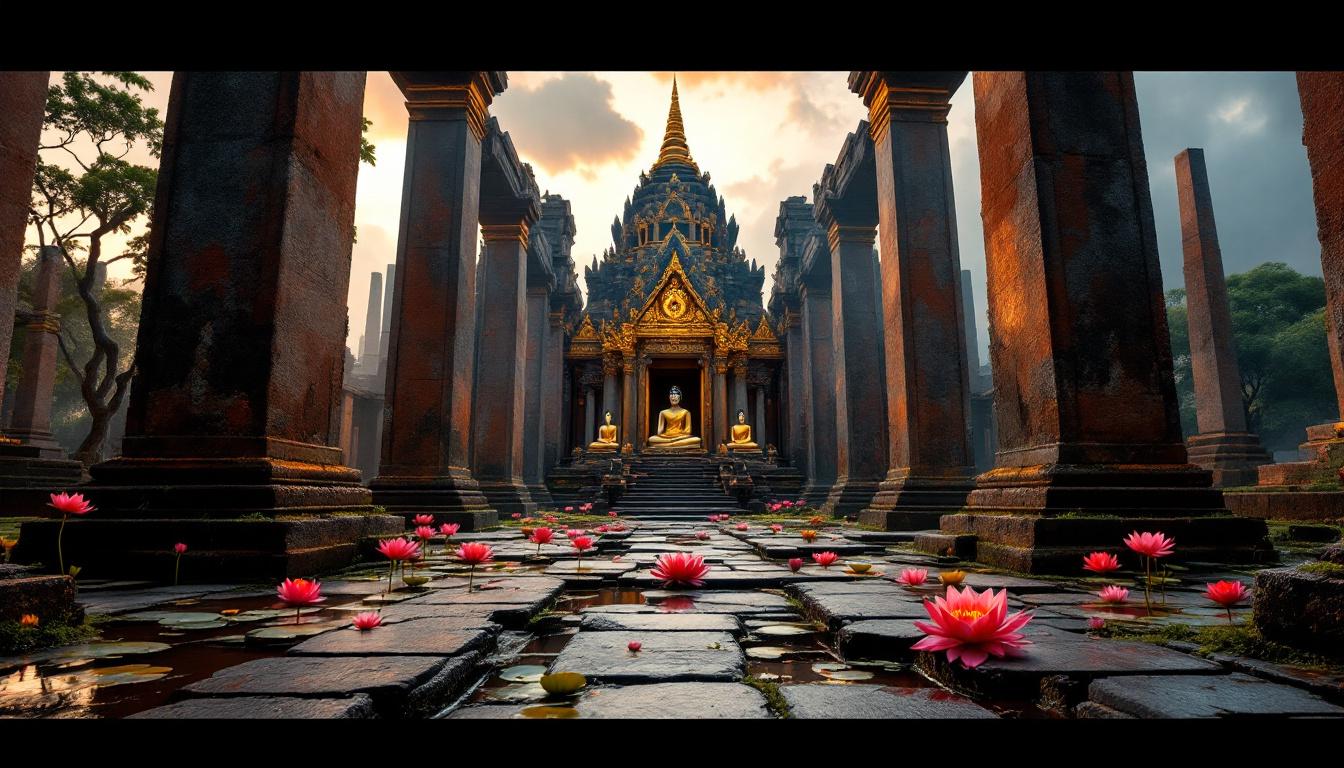
Sukhothai: The earliest Thai artistic style. Lotus-bud chedis, elegant walking Buddhas (Sukhothai invented this style), and temple complexes set around lotus ponds. More refined and graceful than Ayutthaya. Wat Sri Chum's enormous seated Buddha is one of the most powerful single images in Thailand.
Winner: Subjective, but many travellers find Sukhothai's aesthetic more refined and emotionally resonant.
Accessibility from Bangkok
Ayutthaya: 80 minutes by train from Bangkok's Hua Lamphong station. Trains run all day. 20 THB third class. Perfect for a day trip or easy overnight.
Sukhothai: About 7–8 hours by bus from Bangkok, or 5–6 hours from Chiang Mai. You need to commit to the journey. It works best as a stop on a Bangkok–Chiang Mai route.
Winner: Ayutthaya. It's not close.
Accommodation
Ayutthaya: Wide range from backpacker hostels (300–600 THB) to boutique hotels (3,500+ THB). Tony's Place is the legendary budget base. Sala Ayutthaya is the aspirational choice.
Sukhothai: Fewer options but good ones. Legendha Sukhothai is extraordinary if budget allows. Orchid Hibiscus is the best mid-range boutique. Budget guesthouses around the historical park from 600–900 THB.
Winner: Ayutthaya for range of options. Sukhothai for quality of the better places.
The Cycling Experience
Both cities are excellent for cycling — flat terrain, manageable distances, and bicycle rental readily available (50–80 THB per day).
Sukhothai slightly edges Ayutthaya for the cycling experience because the wider park area and the outer temple zones make for a more varied day's riding through countryside and ruins. Ayutthaya's cycling is more urban in feel.
Which Should You Visit?
Visit Ayutthaya if: - You're based in Bangkok and want an easy day trip or one-night add-on - You want maximum ruins per square kilometre - You're on a tight itinerary - This is your first visit to Thailand's historical sites
Visit Sukhothai if: - You're already travelling between Bangkok and Chiang Mai - You prefer a quieter, more meditative experience - You're interested in Thai art and architecture specifically - You want a place that feels genuinely untouched by mass tourism
If you can visit both: Do it. They're complementary rather than redundant. Ayutthaya shows the power and drama of the later Thai kingdom; Sukhothai shows the elegant origins of Thai Buddhist art.
Booking Accommodation
Both cities have solid accommodation that's underserved by the big OTAs — especially the smaller guesthouses and boutique properties near the historical parks. EezyStay's Thailand-specialist inventory means better access to these properties at actual rates, without the 18–25% OTA commission markup.
Related Reading
- Best Hotels in Ayutthaya 2026 — Temples, History & Where to Stay
- Cheap Hotels in Ayutthaya 2026 — Temple Town on a Budget
- Best Hotels in Sukhothai 2026 — Historical Park, Temples & Boutique Stays
- Pattaya vs Koh Samui 2026 — Which Resort Destination Is Right for You?
- Koh Chang vs Koh Samet — Which Island Should You Pick for a Quick Bangkok Trip?
Frequently Asked Questions
Should I visit Sukhothai or Ayutthaya — which is better?
Both are genuinely excellent and serve different purposes. Ayutthaya is easier to reach from Bangkok (90 minutes by train), more dramatic in scale, and better as a day trip destination. Sukhothai is quieter, requires more commitment to reach, and rewards the traveller who stays overnight — the historical park is vast and tranquil, with fewer visitors. If you can only choose one on a first trip, Ayutthaya is more accessible; if you have more time, Sukhothai is more memorable.
Are Sukhothai and Ayutthaya worth visiting on the same trip?
Yes, but they're not easy to combine in a single day. Ayutthaya is best reached from Bangkok by train. Sukhothai is further north, better approached as a stop on the way to or from Chiang Mai. A logical combined itinerary is Bangkok → Ayutthaya (1 night) → overnight bus to Sukhothai (1–2 nights) → Chiang Mai. This makes geographic sense and covers both ancient capitals without backtracking.
Which ancient capital is less crowded — Sukhothai or Ayutthaya?
Sukhothai is significantly less crowded. It receives far fewer visitors than Ayutthaya, and the historical park's green grounds and lotus ponds often feel completely peaceful even in peak season. Ayutthaya's main temple complexes (Wat Mahathat, Wat Phra Si Sanphet) draw day-trip buses from Bangkok and can be crowded from 10am to 3pm.
What is the difference between Sukhothai and Ayutthaya historically?
Sukhothai was the first capital of the Thai kingdom, founded around 1238 CE and lasting until the 15th century. It represents the origins of Thai identity, script, and Buddhism in what became modern Thailand. Ayutthaya succeeded it as the Thai capital from 1350 until it was sacked by the Burmese in 1767. Ayutthaya was larger, more powerful, and its ruins are correspondingly more dramatic in scale.
How do I get to Sukhothai from Bangkok?
Buses from Bangkok's Northern Bus Terminal (Mo Chit) run directly to New Sukhothai in about 7–8 hours for 300–400 THB. There's also a small Sukhothai Airport with Bangkok Airways flights from Suvarnabhumi (about 1.5 hours). From New Sukhothai, songthaews run 12km to the historical park area where the best accommodation is located.