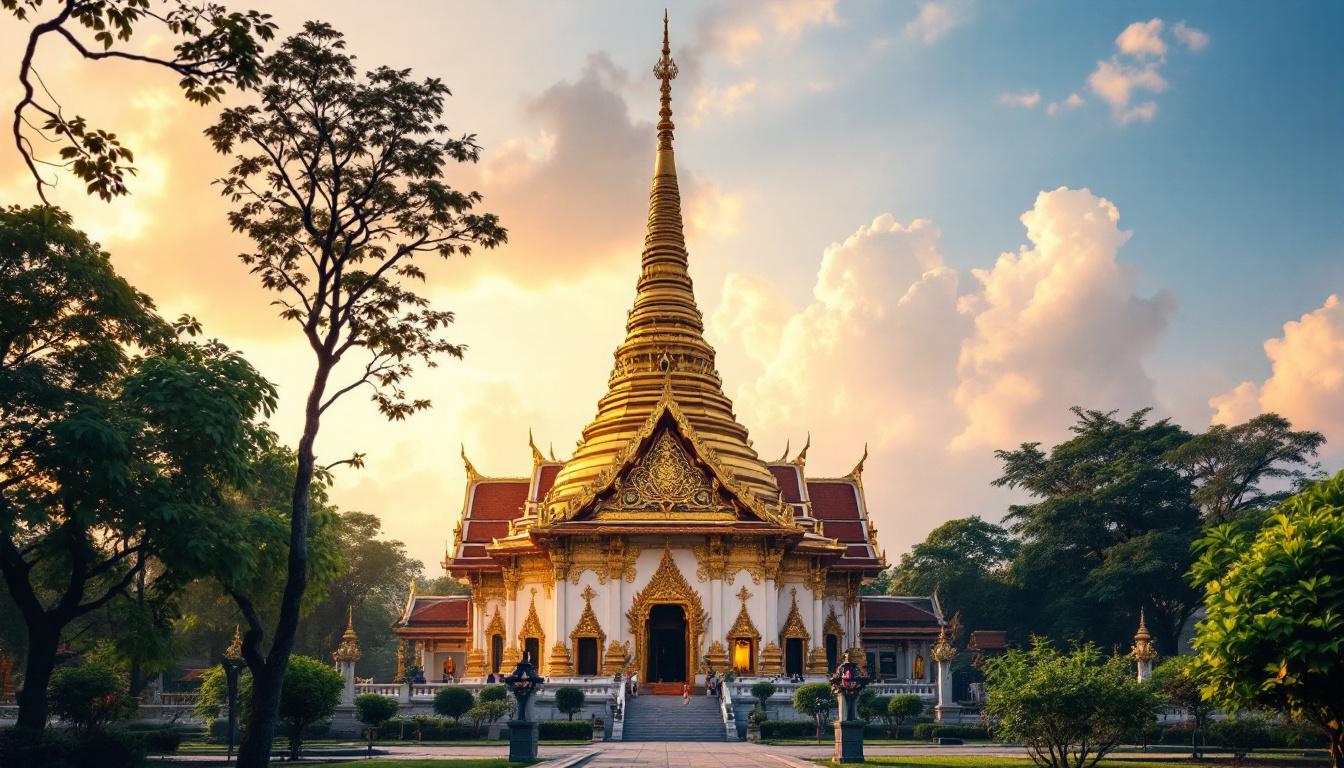
Best Hotels in Lampang 2026 — Northern Thailand's Hidden Gem
Best Hotels in Lampang 2026 — Northern Thailand's Hidden Gem
Most travellers drive through Lampang on the way between Chiang Mai and Chiang Rai without stopping. That's a mistake. Lampang is one of the most underrated cities in northern Thailand — a place that has somehow retained its old-world character while the rest of the region modernises.
The city is famous for its horse-drawn carriages (the only city in Thailand where they're still a regular form of transport), its Burmese-influenced temples, and its relaxed pace. Lampang was historically a major teak trading hub, and that heritage shows in its old town architecture: classic wooden shophouses, colonial-era temples, and traditional market streets that feel genuinely lived-in rather than staged for tourists.
Agoda and Booking.com barely bother with Lampang — the inventory is thin and often outdated. EezyStay has better coverage of the smaller, independently-run guesthouses that make this city worth visiting.
Best Hotels and Guesthouses in Lampang
The Riverside Guest House Lampang
Sitting on the Wang River, this is one of the best accommodation experiences in northern Thailand that almost nobody talks about. Beautifully restored wooden heritage building, thoughtful design, excellent food, and a riverside terrace that's perfect for long evenings. Rates from around 1,500–2,500 THB per night. The kind of place you stay at for one night and rebook for a second.
Lampang Wiengthong Hotel
The main mid-range hotel in the city centre. Well-maintained, comfortable rooms, swimming pool, restaurant, and a central location that makes the old town and markets easy to reach on foot. Rates from around 1,200–2,000 THB per night. Good choice for those who want hotel-standard facilities.
Boon Guesthouse
A simple, clean, and friendly budget guesthouse in the old town area. Fan and air-con rooms from around 400–800 THB per night. The owner is a great source of local knowledge — ask about the best markets and the lesser-known temples.
Lampang River Lodge
On the banks of the Wang River about 7km outside the city centre, this is a lovely resort option if you have a vehicle. Traditional Thai-style bungalows, pool, and gardens. Very quiet. Good for travellers who want a peaceful base. Rates from around 2,000–3,500 THB per night.
What to Do in Lampang
Horse Carriage Tour — The horse carriages depart from near Tha Kra-Dao bridge. A 30-minute tour of the old town runs around 150–300 THB per carriage. A bit touristy but genuinely enjoyable. The horses are well-kept and the old town routes take you past some beautiful colonial architecture.
Wat Phra That Lampang Luang — One of the most important and beautiful temples in northern Thailand. Located about 20km south of the city, it's a fortified temple complex that dates to the 15th century and contains a remarkably intact collection of ancient wooden viharns. The Lanna architecture is extraordinary. This alone is worth the detour to Lampang.
Wat Chedi Sao — Temple of the 20 chedis, set among rice paddies on the north edge of the city. 20 white chedis of varying sizes arranged across a peaceful compound. Not many tourists come here, which makes it special.
Talad Gao (Old Market) — The old Chinese-influenced market in the city centre. Best visited in the morning when it's most lively. Good street food, fresh produce, and antique shops scattered through the old wooden buildings.
The Elephant Conservation Centre — About 30km north of Lampang, the Thai Elephant Conservation Centre is one of the most legitimate elephant sanctuaries in Thailand. It's government-operated, focused on welfare, and offers meaningful interactions rather than riding and shows. From around 500–1,500 THB depending on the programme.
Lampang's Temples (Burmese Style) — Lampang was once under Burmese influence and the architecture shows. Wat Sri Chum in the city centre has elaborate Burmese-Shan style decoration. Wat Sri Rong Muang is the showstopper — painted in red and gold with intricate woodcarving. Both are free to enter.
Getting to Lampang
From Chiang Mai: Bus or minivan, about 1.5–2 hours, 100–150 THB. Trains also run (about 2 hours) on the Bangkok–Chiang Mai line.
From Bangkok: Overnight train from Hua Lamphong (about 11 hours). The train is actually a pleasant way to travel — book a sleeper for around 500–800 THB.
By plane: Lampang has a small airport. Bangkok Airways flies from Bangkok Suvarnabhumi (about 1 hour). More expensive but convenient.
By bus from Bangkok: Northern Bus Terminal (Mo Chit), around 8–9 hours, 400–500 THB overnight.
Lampang at a Glance
Population: Around 60,000 in the city proper Language: Thai (northern dialect widely spoken) Currency: Thai Baht (THB) Accommodation range: 400 THB (budget guesthouse) to 3,500 THB (riverside resort)
What Does It Cost?
Budget: 400–900 THB per night Mid-range: 900–2,000 THB per night Upscale: 2,000–4,000 THB per night
Lampang is noticeably cheaper than Chiang Mai for accommodation and food. A good pad see ew at a local restaurant is 60–80 THB. Iced coffee at a market stall is 30 THB.
When to Visit
November to February — Ideal. Northern Thailand cool season means perfect temperatures (18–28°C during the day, cool evenings). The best time to visit temples and markets.
March to April — Hot and sometimes smoky (agricultural burning season in the north). Manageable if you're only passing through.
May to October — Monsoon season. Green, quiet, and cheaper. The rice fields around the city are beautiful in the rain.
Why EezyStay for Lampang?
Lampang doesn't have a strong OTA presence. Most accommodation here is independently run, and the guesthouses and smaller hotels don't have teams dedicated to managing online travel agent listings. EezyStay's Thailand-specialist approach means better inventory and rates that more accurately reflect what these properties actually charge.
If you search Lampang on Agoda, you'll often find a handful of options at inflated prices. EezyStay does better.
Lampang is one of those Thai cities that rewards the traveller willing to slow down and look around. Give it two nights and it might become your favourite stop in the north.
Related Reading
- Best Hotels in Nan 2026 — Thailand's Mountain Province & Cultural Gem
- Best Hotels in Sukhothai 2026 — Historical Park, Temples & Boutique Stays
- Best Hotels in Pai 2025: Mountain Town Boutique Stays
- Best Hotels in Chiang Rai 2025: Golden Triangle Gateway
- Best Hotels in Chiang Mai 2025: Old City to Nimman
Frequently Asked Questions
What is Lampang famous for in Thailand?
Lampang is the only city in Thailand where horse-drawn carriages are still a regular form of transport. It's also known for the Thai Elephant Conservation Centre (one of the country's most reputable government-run sanctuaries), the extraordinary Wat Phra That Lampang Luang (a 15th-century fortified temple), and its well-preserved Burmese-influenced wooden shophouse architecture.
How do I get to Lampang from Chiang Mai?
Buses and minivans run from Chiang Mai's Arcade Bus Terminal to Lampang in about 1.5–2 hours for 100–150 THB. Trains also connect the two cities (around 2 hours) on the Bangkok–Chiang Mai line. Lampang is a straightforward stop to add to a northern Thailand itinerary between Chiang Mai and Chiang Rai.
What is the best hotel in Lampang?
The Riverside Guest House Lampang is the standout option — a beautifully restored heritage teak building on the Wang River with excellent food and a riverside terrace. For hotel-standard facilities (pool, restaurant), Lampang Wiengthong Hotel is the main mid-range option in the city centre.
Is Lampang worth visiting or should I just pass through?
Lampang is worth at least one night, ideally two. The city rewards slow exploration — a horse carriage tour of the old town, a morning at the extraordinary Wat Phra That Lampang Luang (20km south), and an afternoon visit to the Thai Elephant Conservation Centre make for a genuinely rich day. It's cheaper than Chiang Mai and far less visited.
Is it cheaper to book Lampang hotels on EezyStay than Agoda?
Yes. Lampang has limited OTA coverage and many independently-run properties that don't receive priority listings from Agoda or Booking.com. EezyStay's Thailand-specialist approach means better inventory and more accurate rates for smaller northern Thailand cities like Lampang, often significantly below what the major OTAs display.