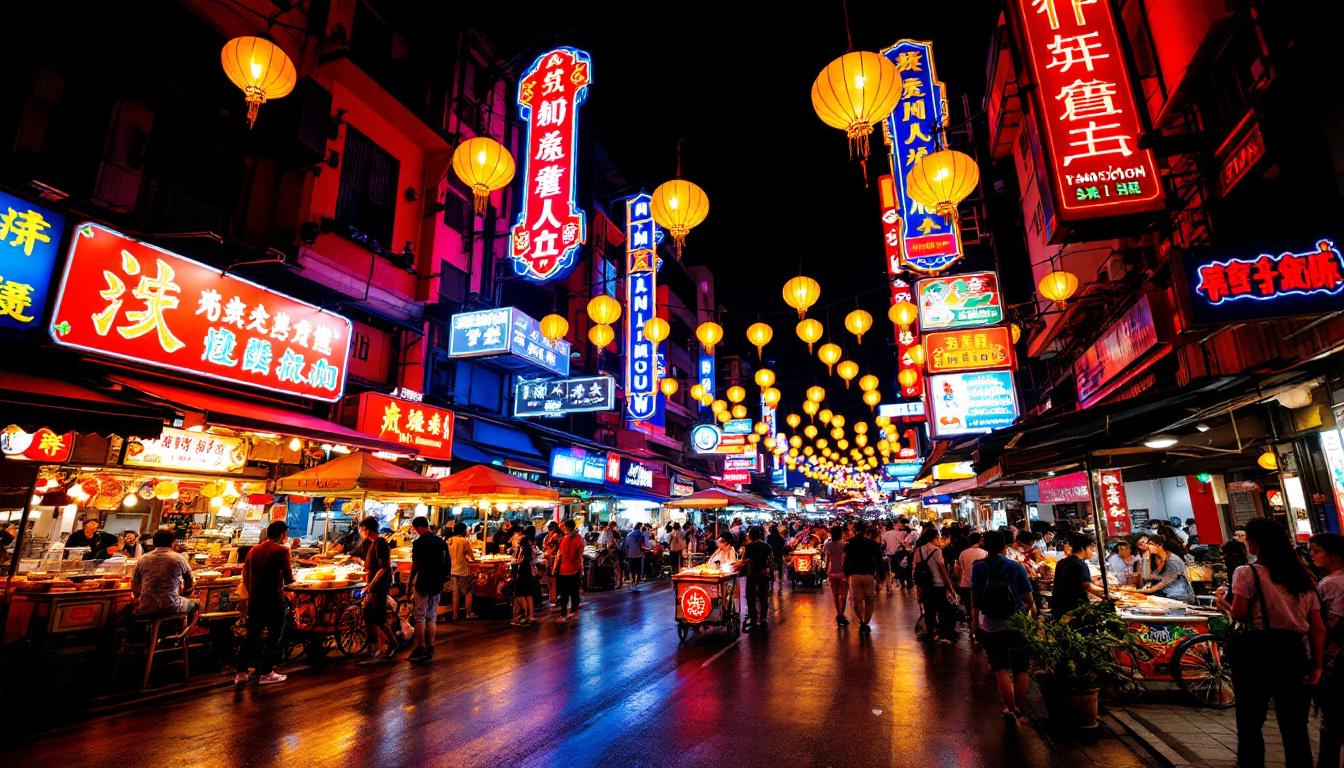
Bangkok Chinatown Hotels: Where to Stay Near Yaowarat Road
Bangkok Chinatown Hotels: Where to Stay Near Yaowarat Road
Bangkok's Chinatown — centred on Yaowarat Road — is one of the world's great urban food experiences. Established by Chinese immigrants in the late 18th century when Bangkok was founded, the neighbourhood has evolved into a dense, vivid warren of gold shops, dried goods merchants, Teochew Chinese restaurants, street food stalls, and temples that have barely changed in 100 years.
It's also one of Bangkok's most underrated places to stay. The food access is extraordinary. The history is on every corner. And the hotels are, in many cases, significantly cheaper than equivalent quality in Sukhumvit or Silom.
The Yaowarat Experience
Yaowarat Road itself is approximately 1 kilometre long. It's most famous as Bangkok's gold district — hundreds of gold shops selling 23-karat gold at prices set by daily market rates. But the food is the real draw.
The food at night: After dark, Yaowarat becomes a different place. Street food stalls fill the footpaths — crab fried rice, roasted duck, shark fin soup, dim sum, oyster omelette (hoi tod), deep-fried taro, mango with sticky rice. The famous stalls include Mangkorn Khao (shark fin soup, a controversial choice), T&K Seafood (consistently excellent), and Nai Ek Roll Kuay Tiew (pork noodles). Eat at least three different things from three different stalls.
The temples: Wat Mangkon Kamalawat (Dragon Lotus Temple) is the most significant Chinese Buddhist temple in Bangkok, active and deeply atmospheric, especially during Chinese New Year. Wat Traimit nearby contains the world's largest solid gold Buddha statue (3 tonnes, 15th century).
The daytime: More quiet, more local. The old Talad Noi neighbourhood (the older section running south towards the Chao Phraya) has excellent cafés in old shophouse buildings — Instagram-able without being contrived.
Getting to Chinatown
MRT: The MRT Hua Lamphong station (railway terminus) is walking distance from the start of Yaowarat. A second MRT station, Wat Mangkon, now provides more direct access right into the heart of the neighbourhood. The MRT is the easiest approach.
Boat: The Chao Phraya Express Boat stops at Marine Department (Tha Si Phraya) pier — a short walk from Chinatown. The boat from Saphan Taksin (BTS Silom line) takes approximately 10 minutes.
Taxi/Grab: Works fine but traffic on and around Yaowarat can be significant, especially evenings and weekends. The driver may struggle to get you to the exact address.
From Siam/Sukhumvit: 20–30 minutes by MRT. Not far at all.
Best Hotels Near Yaowarat
Budget Options: 700–1,800 THB/night
Shanghai Inn A Chinatown institution — boutique hotel in a converted old Shanghai-style shophouse on Yaowarat Road itself. The rooms are decorated with a 1930s Shanghai aesthetic. Not the most modern facilities but enormous character. Location doesn't get better for Yaowarat access. 900–1,500 THB.
Penguin House Bangkok Contemporary hostel-style accommodation near Yaowarat, clean and efficient with both dorms and private rooms. Very popular with backpackers who want cheap accommodation near the food. 400–800 THB dorms, 700–1,200 THB private rooms.
Baan Dinso Small guesthouse in the Dinso Road area adjacent to Chinatown. Very local feel, friendly staff, good value. 700–1,200 THB.
Mid-Range Options: 2,000–5,000 THB/night
Loftel 22 Hostel & Boutique Hotel One of the best-positioned mid-range options in the Chinatown area — on Charoenkrung Road (the old international trade road that runs parallel to the river), well-designed, mix of private rooms and social spaces. 1,500–3,500 THB.
Vivanta Bangkok - Ploenchit — Note: for a proper mid-range with Chinatown day-trip access, the river hotels nearby offer better quality.
The Warehouse Bangkok Boutique warehouse-conversion hotel in the Talad Noi area (the old neighbourhood between Yaowarat and the river). Extraordinary character in a converted 100-year-old customs building. Excellent café onsite, beautiful pool. 2,500–5,000 THB. This is genuinely one of Bangkok's most interesting boutique hotels.
Boutique and Luxury: 5,000–20,000+ THB/night
Capella Bangkok On the Chao Phraya River, accessible to Chinatown by boat in minutes. One of Bangkok's finest new hotels (opened 2021), all-suite, extraordinary river views. 15,000–25,000 THB. Not Chinatown-priced but the location via river makes Yaowarat a 10-minute scenic journey.
Mandarin Oriental Bangkok Bangkok's most historic hotel, also river-accessible to Chinatown. If this is your tier, the hotel launch service makes Chinatown dining a natural evening excursion. 12,000–25,000+ THB.
Sala Rattanakosin More affordable than the two above, directly across the river from Wat Arun with rooftop views of the Grand Palace area. Chinatown accessible by taxi (10 minutes) or boat. 3,500–7,000 THB. Excellent value for the location and quality.
Beyond the Food: What Else to Do in Chinatown
Antique shops (Nakorn Kasem): "Thieves' Market" is the old nickname. Now more curios and collectibles than stolen goods, but the density of old objects (brass, lacquerware, old signs, vintage items) is excellent for browsing.
Bird market: Songbird enthusiasts come from across Thailand to the bird market in the area — competitive birdsong events are a genuine subculture.
Chinese cemetery and temples: Walking through the back streets of Chinatown reveals temples tucked between shophouses, incense shrines on every corner, and a density of Chinese cultural life that feels like a different city from the Bangkok of Siam Paragon and Sukhumvit.
Photography: Chinatown is one of Bangkok's most photogenic areas — the old signage, the golden light, the street food in motion. Best photographed in the early evening (5–8pm) when the food stalls are starting up and the light is warm.
Booking
Hotel prices in Chinatown show significant variation between platforms. The boutique and character properties (Shanghai Inn, The Warehouse Bangkok) in particular benefit from comparison shopping. Check prices on EezyStay alongside Agoda and Booking.com — EezyStay's Thailand focus tends to surface lower rates on Bangkok boutique properties that the global OTAs don't optimise for.
For more Bangkok hotel options across neighbourhoods, see our best hotels in Bangkok guide and the Bangkok riverside hotels guide.
Frequently Asked Questions
Is Bangkok Chinatown worth visiting?
Absolutely. Bangkok's Chinatown (Yaowarat Road) is one of Asia's great urban food experiences — a dense, atmospheric neighbourhood where some of Bangkok's best street food exists alongside gold shops, Chinese temples, and old shophouses that haven't changed in decades. It's worth visiting at minimum for an evening of street food. Staying here gives you early morning temple access and late-night street food at your doorstep.
What is Yaowarat Road famous for?
Yaowarat Road is famous for being Bangkok's gold district (hundreds of gold shops selling 23-karat gold) and for its street food scene, which is among the best in Bangkok. Evening visits feature crab fried rice, roasted duck, oyster omelettes, dim sum, and seafood stalls that have been feeding Bangkok's Chinese community for generations.
How do I get to Bangkok Chinatown from Sukhumvit?
Take the MRT from Asok or Sukhumvit station to Hua Lamphong or Wat Mangkon station. Journey time is approximately 20–25 minutes from central Sukhumvit. Alternatively, take a Grab — roughly 25–35 minutes depending on traffic, 80–150 THB. The MRT is generally faster and cheaper in the evening when Yaowarat traffic is heavy.
Is it safe to eat street food in Bangkok Chinatown?
Yes. The famous stalls on Yaowarat Road have been operating for decades and their food hygiene standards are consistent with their longevity — places that make people sick don't last 30 years. Eat where you see Thai people eating, look for high turnover, and eat hot food that's cooked to order rather than anything sitting out for extended periods. The standard food safety precautions apply.