Rock Climbing in Krabi and Railay — Thailand's World-Class Climbing Destination
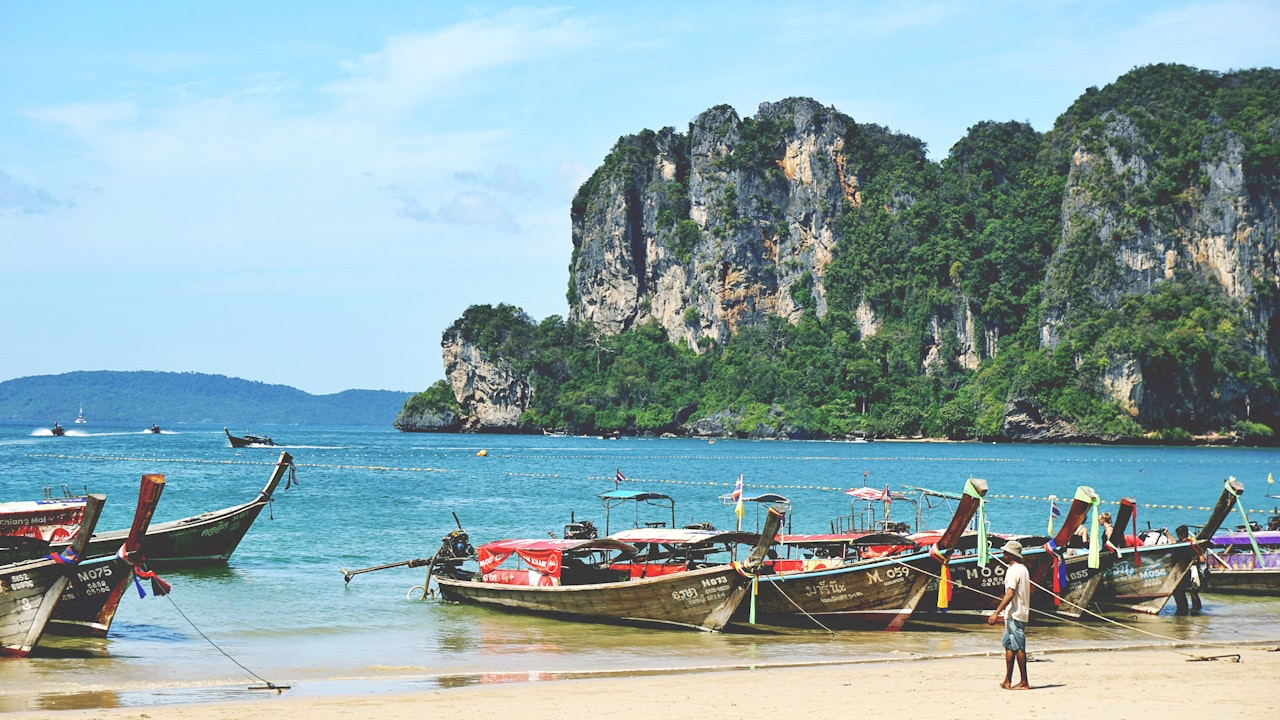
Railay and Tonsai in Krabi province offer some of the best limestone climbing in the world. Over 700 bolted routes, warm weather year-round, and the backdrop of the Andaman Sea make this a mecca for climbers of every level.
Why Krabi for Climbing
The limestone karsts that make Railay's scenery so dramatic also create perfect climbing terrain — overhanging walls, stalactites, tufa formations, and routes that range from beginner-friendly 5a's to terrifying 8c overhangs.
Water is never far away. Many routes finish with views over turquoise bays, and some deep-water soloing spots let you climb without ropes and fall directly into the sea.
Best Areas for Climbing
Railay — East and West
Home to the most accessible routes. Muay Thai Wall, One-Two-Three Wall, and Diamond Cave offer everything from 5a to 7c+. Beginners usually start at 1-2-3 Wall with easy top-ropes.
Tonsai — The Climber's Beach
More serious climbing and the climber community hub. Harder routes, longer approaches, and bungalows full of dirtbag climbers spending months perfecting their projects.
Deep Water Soloing
Climb above the sea with no ropes — fall, you splash. Ao Nang Tower and several sea cliffs offer DWS from easy traverses to terrifying highballs. Only for experienced climbers and strong swimmers.
Climbing Schools (Beginners Welcome)
Railay Rock Climbing School
Half-day course: 1,000 THB — includes equipment, instruction, 3-4 routes Full-day: 1,800 THB — more routes, introduction to lead climbing Multi-day: 2,500 THB/day with progressively harder routes
Hot Rock Climbing
Based at Railay, offering courses from beginner to advanced lead climbing. Knowledgeable Thai guides who know every route.
King Climbers
Established school with the widest route selection. Private guides available.
Equipment
Shoes and harnesses are provided by all climbing schools. If you're an experienced climber bringing your own gear: - 60-70m rope covers most routes - 12 quickdraws minimum - Helmet (seriously — loose rock exists) - Chalk bag
Where to Stay for Climbers
Tonsai Beach — The cheapest option and where the climbing community lives. Basic bungalows 400-800 THB/night. Walk to routes.
East Railay — Better accommodation, still walking distance to most crags. 800-2,000 THB/night.
Ao Nang — Most comfortable with proper hotels, but you'll need a longtail boat each way (150 THB). Good if you're climbing for a few days as part of a longer trip.
Best Time to Climb
- November to March: Dry season, best conditions. Some shade at most crags.
- April-May: Hot but dry. Start early, rest midday, climb again late afternoon.
- June-October: Rain can make routes slippery and dangerous. Many climbers avoid this period, though there are sheltered routes.
FAQ
Can beginners rock climb at Railay?
Absolutely. The climbing schools specialise in beginners and the introductory routes (5a-5c) are accessible to anyone with reasonable fitness. No experience needed — they teach everything from knots to belaying.
Is deep water soloing dangerous?
It carries real risks: hitting rocks or shallow water, exhaustion from the swim, and the psychological challenge of climbing without protection. Only attempt DWS if you're an experienced climber and strong swimmer, and always go with a guide who knows the routes and tides.
How many days of climbing should I plan?
Two to three days for beginners wanting a taste. One to two weeks for intermediate climbers wanting to push their grade. Serious climbers have been known to move to Tonsai for months.