Thailand Rainy Season Travel Guide: Why Low Season Is the Best Time to Visit
The Case for Thailand in the Rain
Every guide to Thailand will tell you to visit between November and April. That is when the skies are clear, the seas are flat, and the photos look like screensavers. It is also when the most people visit, hotel prices are at their highest, and popular beaches look less like paradise and more like a public swimming pool. There is a different Thailand available from May through October — greener, cheaper, less crowded, and in many ways more interesting. This is the case for going in the wet season.
What Thailand's Rainy Season Actually Looks Like
The phrase "rainy season" suggests constant downpours, flooded streets, and weeks stuck indoors. The reality in most of Thailand is different. The southwest monsoon brings moisture to the Andaman coast (Phuket, Krabi, Koh Lanta) and the north (Chiang Mai, Pai). What this typically means in practice: sunny mornings, an afternoon thunderstorm of one to three hours, and clear skies again by evening. Consecutive all-day rain events exist but are not the norm outside of October, which is the wettest month on the Andaman side.
The Gulf coast (Koh Samui, Koh Phangan, Koh Tao) has a different pattern — its rainy season runs October through January rather than May through October, meaning you can do Phuket in June and the Gulf islands in December and face relatively good weather at both. Understanding which coast you are visiting and when is the first step to planning smart in the low season.
The Real Benefits of Low Season Travel
Hotel Prices Drop Significantly
Luxury resorts that cost THB 20,000 per night in December often drop to THB 8,000–12,000 in June or September. Mid-range hotels see similar proportional drops — sometimes 30 to 50 percent off peak rates. This is not a marginal saving. A couple spending two weeks in Thailand during low season can stay in significantly better accommodation for the same budget they would spend on mid-range properties in peak season. The Andaman coast properties — Phuket, Krabi, Koh Lanta — show the most dramatic seasonal price drops because the slowdown is most pronounced there.
The Crowds Disappear
Phi Phi Island receives over 4,000 visitors per day in peak season. In the wet season, that number drops to a few hundred. The same transformation applies to Railay Beach, Koh Lanta, the Similan Islands day trip boats, and the night markets in Chiang Mai. You will not share your sunset with 300 people. You will not queue for a longtail boat. You will not need to book your table at a well-reviewed restaurant three days in advance. The version of Thailand that most travellers picture when they plan a trip — tranquil, spacious, unhurried — is more accurate in the low season than the high.
Lush Landscapes and Dramatic Skies
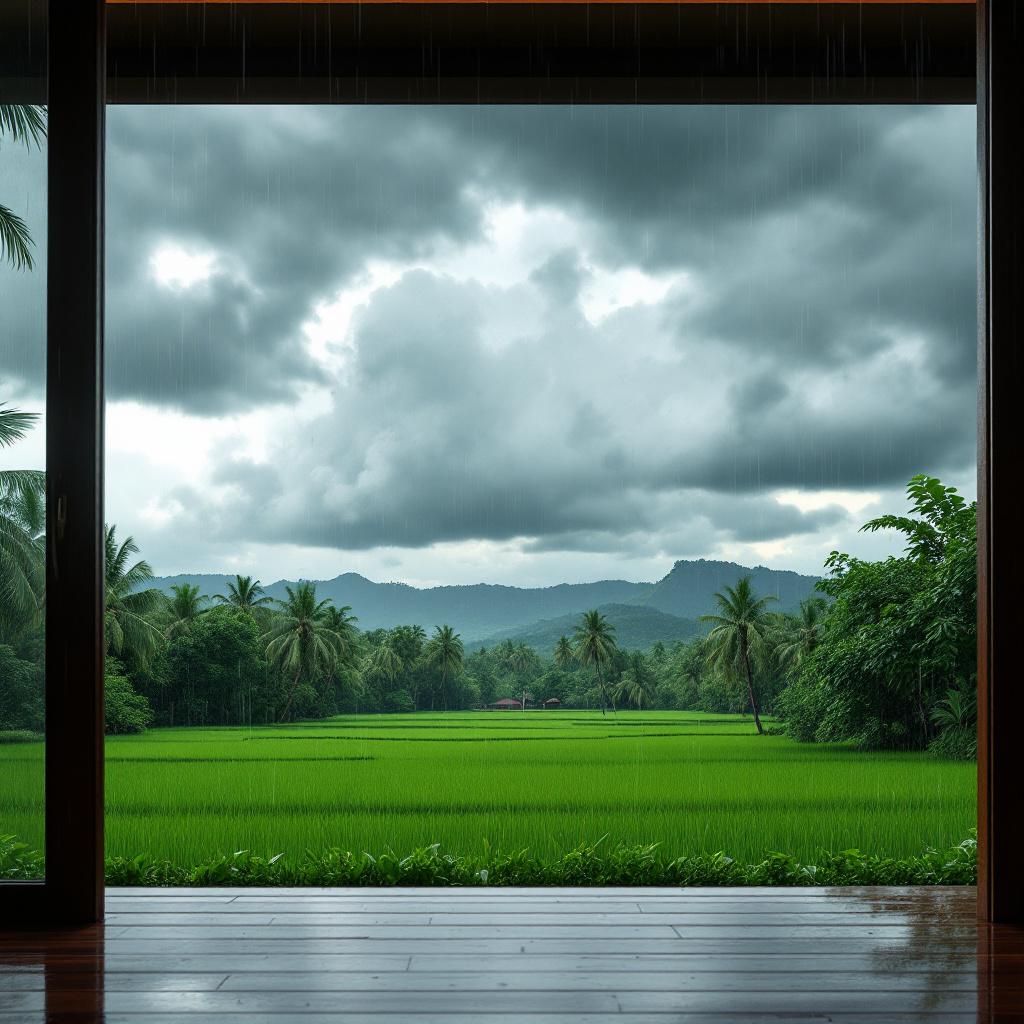
Thailand in the wet season is visually spectacular in a way that the dry season is not. The rice paddies in the north turn vivid green. Waterfalls that are completely dry in March run at full force in August. The jungle on Koh Lanta and the hills around Pai become dense and deeply green rather than dusty brown. Photographers and people who care about the quality of what they are looking at consistently prefer the wet season aesthetic. The dramatic storm clouds building over limestone karsts at dusk are not available in January.
Fewer Tourists Means Better Service
Hotels operating at 30 to 50 percent capacity have time for guests. Tour operators with empty boats are willing to customise. Restaurant staff who are not turning tables every 45 minutes can actually talk to you. The quality of individual interactions with Thai people — which most travellers cite as one of the highlights of the country — improves when both sides are not under the pressure of peak season volume. This is not a romanticised claim; it is consistently reported by travellers who have visited in both seasons.
Where to Go in the Wet Season: Coastal Picks
Koh Lanta (May to October)
Koh Lanta is one of Thailand's most appealing wet season destinations. The island largely closes its tourist infrastructure from mid-May to mid-October — which sounds like a reason to avoid it, but is actually what makes it worth visiting. The 20 to 30 guesthouses and restaurants that stay open cater almost exclusively to long-stay travellers and repeat visitors who know what they are looking for. Long Beach is swimmable most days outside of storm periods. The national park at the island's southern tip runs guided walks year-round. Rates drop to some of the best value in southern Thailand.
Phuket (May to October, with Caveats)
Phuket's west-facing beaches — Patong, Kamala, Surin, Bang Tao — can have rough seas and dangerous currents during the monsoon peak. Red flags are posted and swimming is genuinely inadvisable on those days. However, Phuket is also an island with a developed city, good restaurants, spa culture, temples, viewpoints, and inland attractions that have nothing to do with the sea. Visiting Phuket in low season as a base for exploration rather than a beach-only destination makes complete sense, particularly given the hotel price drops.
Chiang Mai (June to October)
The north is arguably more rewarding in the wet season than the dry. The temples look the same year-round (better, in fact, with fewer tourists). The trekking in the surrounding hills is more dramatic when the jungle is full and the waterfalls are running. The Doi Inthanon summit mist in July and August is a specific kind of beautiful that does not exist in February. Chiang Mai also has the infrastructure to keep you occupied on a full rain day — cooking schools, massage courses, markets, museums. Rain here means a good afternoon; it does not mean a ruined holiday.
What to Pack and How to Plan
A light rain jacket or packable poncho is essential — do not rely on an umbrella in tropical rain. Light, quick-dry clothing in breathable fabrics handles the humidity better than cotton. Book accommodation with some flexibility, particularly for islands — ferry services occasionally suspend during bad weather and you may need to extend by a day. Travel insurance that covers weather disruption is worth having. Budget extra time for any island itinerary.
Booking Hotels for Low Season Thailand
EezyStay lists hotels across all major Thai destinations — including the resorts that stay open in the low season and are genuinely worth visiting during it. Many properties offer their best value rooms exclusively in May through October. Browse the full selection and check current availability at eezystay.com.
Frequently Asked Questions
Is it safe to swim in Thailand during the rainy season?
It depends on the beach and the day. Andaman coast beaches (Phuket, Krabi) post red warning flags when currents are dangerous — respect them absolutely. Beaches that face east or are in sheltered bays remain calm even during the monsoon. The Gulf of Thailand coast (Koh Samui, Koh Tao) is actually in its dry season from May to October, so swimming there is fine. Check beach-specific conditions on arrival rather than making blanket assumptions.
Are all Thai attractions open in the rainy season?
Most are. Temples, markets, national parks, cooking schools, and city attractions operate year-round. The Similan Islands national park closes officially from mid-May to mid-October to allow ecosystem recovery — this is one genuine restriction for divers and snorkellers who want that specific destination. Most other marine parks remain open, though some liveaboard operators pause during the roughest months.
How much cheaper is Thailand in the low season?
Hotel rates typically drop 30 to 50 percent on the Andaman coast during low season. Flights from Australia and Europe also soften — not dramatically, but noticeably. Overall, a budget traveller can stay in accommodation one tier above their usual range for the same spend. A traveller normally comfortable with mid-range hotels can access genuine luxury during low season at comparable total cost.
Which month should I avoid entirely?
October is the peak of the Andaman monsoon and the month with the highest rainfall across most of Thailand's popular regions. If your priority is beach time, October is the one month genuinely worth avoiding on the west coast. The Gulf islands (Koh Samui, Koh Phangan) hit their own rainy peak in November. Both months are manageable if your trip is not entirely beach-dependent, but they are the most weather-affected months for each coast respectively.