Thailand Floating Hotels — River Kwai and Beyond, the Most Unique Stays
Waking up on water — river sounds below, jungle canopy above, no roads in sight. Thailand's floating hotels are some of the most unique accommodation in Southeast Asia, and they're far more accessible than you'd think.
River Kwai Floating Hotels
The River Kwai in Kanchanaburi province is the original floating hotel destination. The concept started with simple raft houses and has evolved into everything from basic bamboo rooms to luxury river suites.
The FloatHouse River Kwai
The premium floating experience. Individual floating villas with private terraces, proper bathrooms, and air conditioning. Reached by longtail boat — no road access, complete isolation.
Cost: 4,000-8,000 THB/night including meals and activities Getting there: Van from Kanchanaburi (2 hours), then longtail boat (30 minutes)
River Kwai Jungle Rafts
More authentic — bamboo raft rooms with kerosene lamps (no electricity after 10 PM). Swimming in the river, kayaking, and jungle trekking included. This is the "switch off" experience.
Cost: 2,500-4,000 THB/night including meals Getting there: Train from Kanchanaburi to Tham Krasae, then boat
Budget Raft Houses
Smaller operations along the River Kwai offer basic raft houses for 800-1,500 THB/night. Many include floating platforms where you can sit and fish or jump in the river. Book through local operators in Kanchanaburi town.
Beyond River Kwai
Cheow Lan Lake, Khao Sok National Park
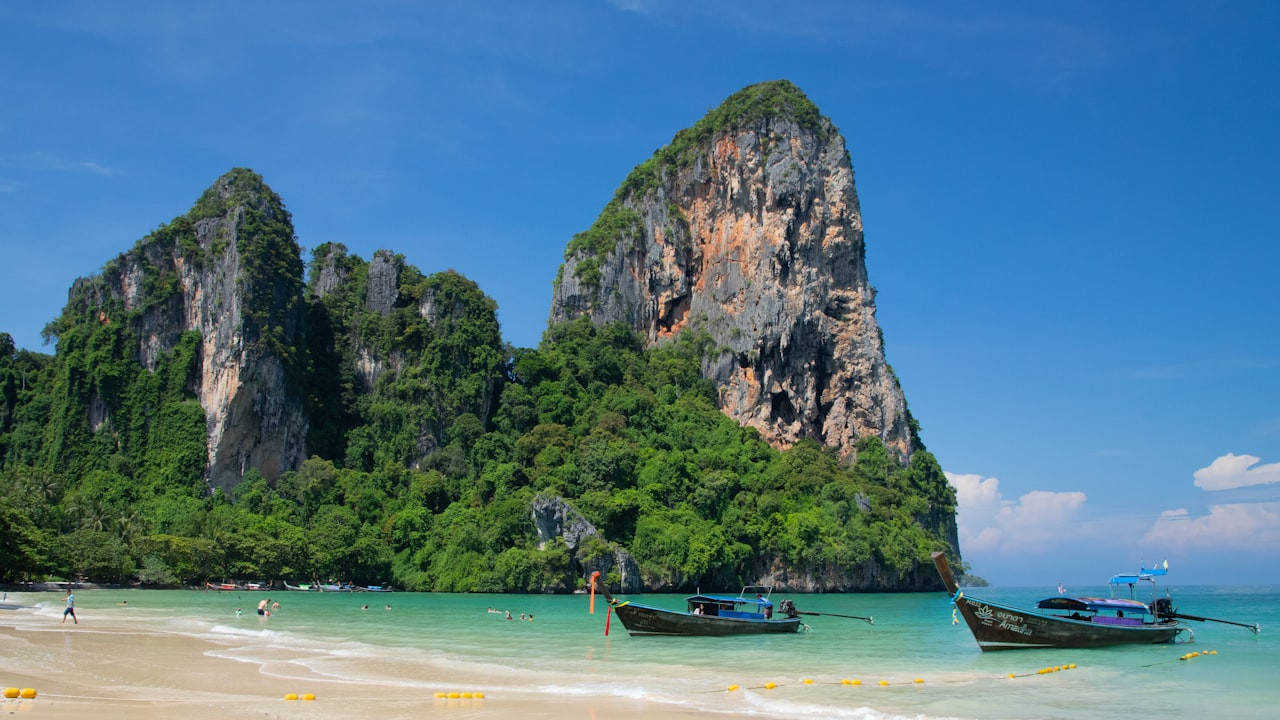
The most photogenic floating accommodation in Thailand. Limestone karsts rising from an emerald lake, floating bungalows anchored in secluded coves. Night kayaking under stars, gibbon calls at dawn.
Where to stay: Khao Sok Floating Bungalows (1,500-3,000 THB/night), 500 Rai Floating Resort (premium, 5,000+ THB/night)
Getting there: Surat Thani (2 hours to park entrance), then longtail boat into the lake (1 hour). Many Koh Samui and Phuket hotels arrange day trips and overnights.
Sangkhlaburi Floating Village
On the Thailand-Myanmar border, a genuine Mon floating community on Khao Laem reservoir. Homestays in the floating village offer a cultural immersion experience that's completely different from the resort-style floating hotels.
Cost: 300-800 THB/night for homestays Getting there: Bus from Kanchanaburi (3 hours)
What to Expect
- Electricity: Varies. Luxury options have generators or solar; basic raft houses may have limited or no power. Charge your phone before you go.
- Water: River/lake water for swimming, potable water provided for drinking.
- Movement: Yes, the rooms gently sway. It's soothing, not seasickness-inducing.
- Noise: River sounds, wildlife calls, and absolute silence between. No traffic, no construction, no neighbours blasting music.
- Connectivity: Most floating hotels have no WiFi and limited phone signal. This is a feature, not a bug.
Best Time to Visit
- River Kwai: Year-round, but river levels are highest (best swimming) from July to November
- Cheow Lan Lake: Year-round, water is always emerald. Morning mist is heaviest June-October.
- Avoid: Major Thai holidays (Songkran, New Year) when floating hotels book out months ahead.
FAQ
Are floating hotels safe?
Yes. The structures are anchored securely and have been operating safely for years. Life jackets are available, and staff monitor water conditions. The main risk is the boat journey to reach them — wear life jackets on longtail boats and don't overload.
Can you swim from floating hotels?
Absolutely — that's half the appeal. River Kwai water is clean and warm. Cheow Lan Lake is freshwater and swimmable. Just check current conditions with your host and avoid swimming after heavy rains when currents can be strong.
How do you get to floating hotels without a car?
Most floating hotels include transfers from the nearest town as part of the booking. From Bangkok, public buses run to Kanchanaburi (2.5 hours) and Surat Thani (for Khao Sok, 9 hours or 1.5-hour flight). The floating hotels handle the boat transfer from there.