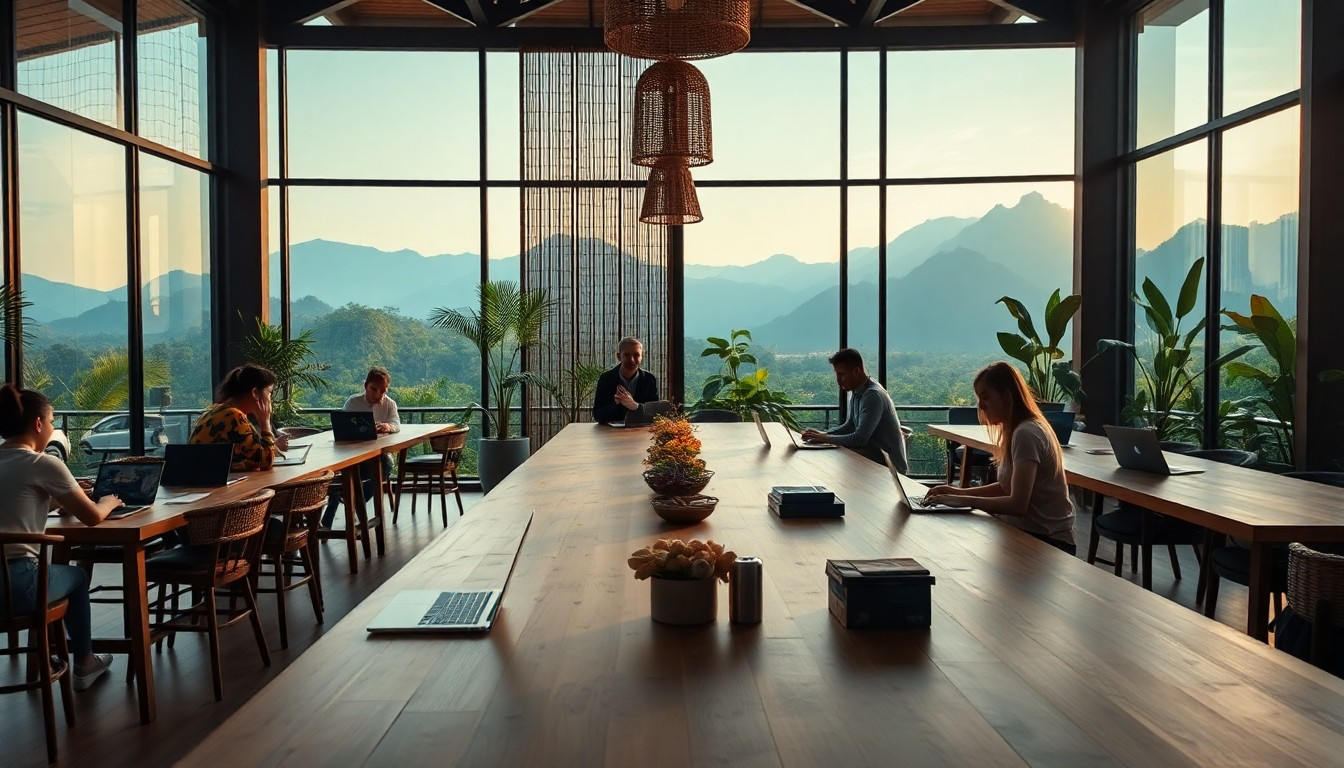
Chiang Mai Co-Living Hotels for Digital Nomads — Monthly Stays That Actually Work
Chiang Mai became a digital nomad hub for specific reasons: cost, internet reliability, lifestyle quality, and community density. The city now has enough nomad infrastructure that choosing accommodation is a meaningful decision — the wrong choice affects your productivity, social life, and daily experience. A co-living space or serviced apartment is almost always a better option than a hotel for stays of 2+ weeks.
This guide covers the best co-living hotels and long-stay accommodation in Chiang Mai, with honest notes on workspace quality, internet speeds, and what kind of nomad suits each property.
Why Chiang Mai Works for Nomads
The numbers still make sense. Monthly accommodation in a good Nimman co-living space runs 8,000–18,000 THB ($220–$500 USD). Add food (150–300 THB per meal at good restaurants), coworking memberships (2,000–5,000 THB/month), and the full monthly cost of a comfortable digital nomad lifestyle in Chiang Mai comes in at $700–$1,200 USD — and that's living well, not roughing it.
The internet infrastructure is solid. CAT Telecom and TRUE fibre are widely available. Most coworking spaces run 100–500 Mbps connections. The city's expat population has created enough demand for reliable connectivity that power outages and internet failures are infrequent by Southeast Asian standards.
Types of Accommodation for Nomads in Chiang Mai
Dedicated Co-Living Spaces
Purpose-built for working remotely: private rooms with included workspace, shared fast internet, communal areas, and community events.
CAMP (Coworking + Accommodation) spaces around Nimman blend living and working in the same building. These vary in quality — some are well-maintained with genuine community; others are effectively hostels that added "co-living" to their listing.
Mango House in the Nimman area is one of the better-regarded dedicated co-living properties — community breakfasts, weekly events, a well-designed shared workspace, and private rooms from around 12,000–16,000 THB per month. Internet is reliably fast and the community leans toward creative and tech workers.
Yellow is a co-living space on the Nimman side with a strong community program and decent private rooms. More social than productivity-focused — suits nomads who want to meet people as much as get work done.
Serviced Apartments (Best Value for Longer Stays)
Serviced apartments deliver more space and privacy than co-living at similar or lower monthly costs. The trade-off is no built-in community.
Nimman Suites and similar properties in the Nimmanhaemin area offer studio and one-bedroom apartments with kitchenette, weekly cleaning, and reliable internet from around 10,000–18,000 THB per month. Good for nomads who want to cook, have more space, and work independently.
The Astra and D Varee Diva offer serviced apartment-hotel hybrids — hotel services with apartment layouts. Monthly rates come down significantly from nightly rates. Worth negotiating directly with the property rather than booking through an OTA.
C-View Boutique Aparthotel near Nimman is a reliable choice — good internet, reasonable size rooms, central location, monthly rates from around 12,000 THB.
Standard Hotels on Monthly Rates
Many Chiang Mai hotels offer discounted monthly rates that aren't publicly listed. Properties like Akyra Manor and Kantary Hills have negotiated extended-stay rates that come in significantly below their published nightly rates × 30. Worth a direct call or email.
Best Neighbourhoods for Nomads
Nimman (Nimmanhaemin Road): The primary nomad zone. Dense with coworking spaces, coffee shops (RISTR8TO, Ristr8to Lab, and dozens of others with good wifi), restaurants, and the Maya Mall for practical shopping. Pricier than other areas but the convenience is real.
Old City: Within or just outside the moat. Quieter evenings, more cultural, good café scene. Slightly fewer co-living options but serviced apartments are available. Good for nomads who want to be closer to the temples and cultural side of Chiang Mai.
Hang Dong / Nong Hoi: South of the city, increasingly popular with longer-stay nomads who want more space for less money. Lush settings, cheaper rents, requires a motorbike. Good coffee spots have appeared in this area as the population grows.
Santitham: North of the Old City, more residential, good food options, noticeably cheaper than Nimman. A maturing nomad neighbourhood with several dedicated coworking spaces opening in recent years.
Internet: What to Actually Expect
Co-living spaces: 50–300 Mbps typical. Always ask for a speedtest before committing to a monthly stay. Some properties advertise "high-speed internet" and deliver 15 Mbps — not adequate for video calls.
Hotels: Variable. High-end properties have invested in proper infrastructure; budget hotels may run shared connections that degrade during peak hours. If video calls are critical, confirm upload speed specifically (not just download).
Coworking backup: Even the best co-living spaces have connectivity issues occasionally. Having a membership or day-pass option at a dedicated coworking space (AIS Play, CAMP at Maya, CAMP at Nimman 21) provides a reliable fallback.
Visa Considerations for Long Stays
Thailand's Thailand LTR (Long-Term Resident) Visa is available for digital nomads meeting income requirements. The more common approach is the tourist visa with border runs or the METV (Multiple Entry Tourist Visa), which allows 60-day stays renewable once in-country and re-enterable multiple times.
The Thailand Elite Visa (now rebranded as Thailand Privilege) offers 5–20 year multiple entry for a one-time fee — increasingly popular with nomads who are committing to Chiang Mai as a primary base.
Your hotel or co-living space's reception desk will typically know the current visa landscape. Ask what other long-stay guests are doing.
Practical Checklist for Chiang Mai Long Stays
- Test internet speed before committing to monthly rate
- Confirm whether electricity is included or metered separately (metered electricity can add 3,000–6,000 THB/month in Thai heat with air-conditioning)
- Ask about motorcycle or bicycle parking if you plan to rent one
- Check proximity to a supermarket (Rimping, Tops, and Makro are the main options)
- Understand checkout/re-entry policy if you leave for a weekend trip
FAQ: Co-Living and Long-Stay Hotels in Chiang Mai
What does a month of digital nomad living cost in Chiang Mai? All-in (accommodation, food, coworking, transport, activities) a comfortable lifestyle runs $700–$1,500 USD per month. Budget-conscious nomads can manage on $600. Those wanting more comfort or private space can spend up to $2,000 without extravagance.
Is Chiang Mai or Bangkok better for digital nomads? Chiang Mai for lifestyle, community, and cost. Bangkok for business connections, flights, and variety. Many nomads split time between both — a month or two in each per year.
What's the minimum stay for co-living in Chiang Mai? Most co-living properties have 1-week minimums, though many require monthly commitments for the best rates. Some offer nightly rates that work out considerably higher than monthly equivalents.
Is Chiang Mai still a good digital nomad city in 2026? Yes. The infrastructure has matured and the community has deepened. It's no longer a secret but hasn't been ruined by its own popularity the way some nomad hubs have. New coworking spaces and co-living options continue to open.
What internet speed do I need for digital nomad work? 25 Mbps upload is comfortable for video calls (Zoom, Google Meet). 50+ Mbps is better if you upload large files or run multiple video calls. Always test upload speed, not just download.